Home » News » RFID Applications in the Aviation Industry: A Comprehensive Digital Transformation Solution
RFID Applications in the Aviation Industry: A Comprehensive Digital Transformation Solution
According to a report by SITA, a company specializing in providing information technology services to the aviation industry, 26 million pieces of luggage were lost in 2022. In this context, the application of RFID in the aviation industry has been revolutionizing the process by digitizing and automating baggage tracking, asset management, and optimizing airport check-in procedures. Statistics show that RFID adoption rates in the aviation industry are 88% in China and North Asia, 60% in the Americas, 40% in Europe and Asia, and 27% in Africa. It can be said that RFID (Radio Frequency Identification) technology is reshaping the entire supply chain and operations of global airlines today.
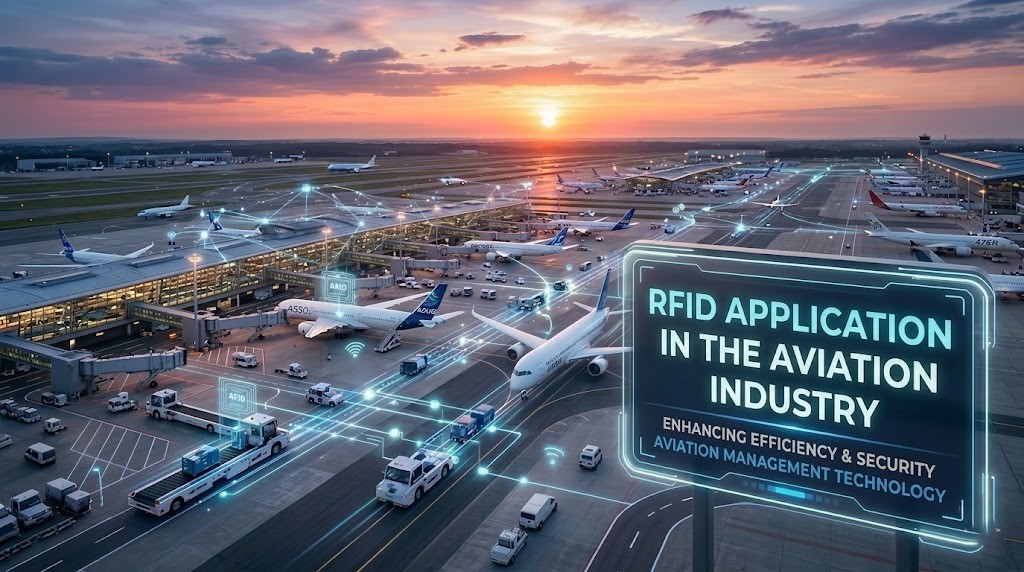
RFID Applications in the Aviation Industry
Benefits of Applying RFID in the Aviation Industry
The transition from manual management methods to RFID (Radio Frequency Identification) systems is not only a technological advancement but also a challenge in optimizing profitability and efficiency.
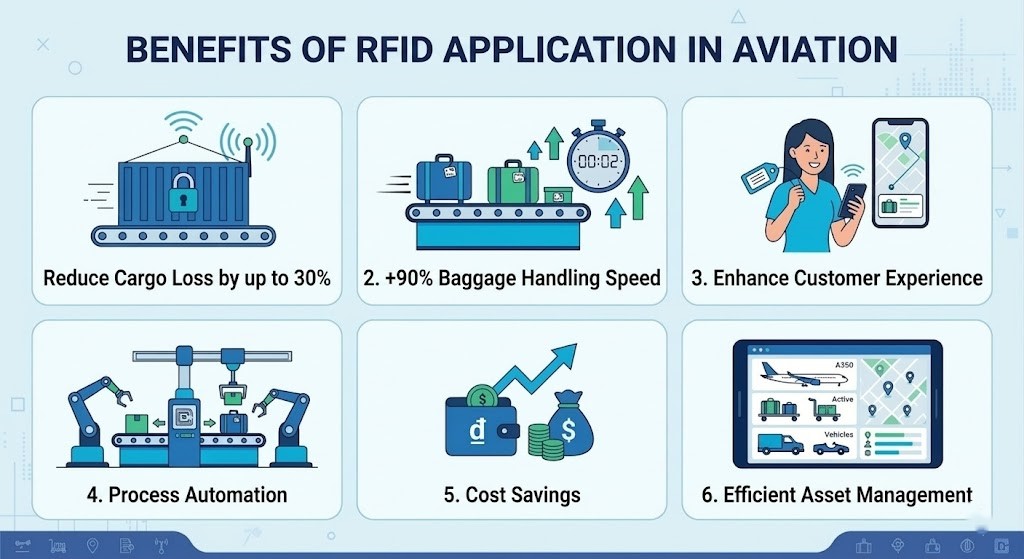
Here are six undeniable benefits of RFID technology in the aviation industry:
Benefits of Applying RFID in the Aviation Industry
Reduce lost or damaged goods – This figure could reach 30%
Unlike traditional barcode technology, where barcode labels can fade or tear, RFID tags are highly durable and secure, automatically recognized by the gate system when passing through security checkpoints. This is extremely effective in airport baggage management, eliminating avoidable human errors and ensuring goods reach the correct flight. Therefore, the application of RFID in airport baggage management is considered a groundbreaking solution in the aviation industry, significantly reducing baggage and cargo loss.
RFID technology in the aviation industry helps increase baggage processing speed by 90%
Instead of staff manually scanning each suitcase barcode, the RFID-integrated conveyor system can read hundreds of tags simultaneously with 99.99% accuracy. Consequently, the RFID solution speeds up baggage turnover and sorting by over 90%, effectively resolving congestion during peak hours.
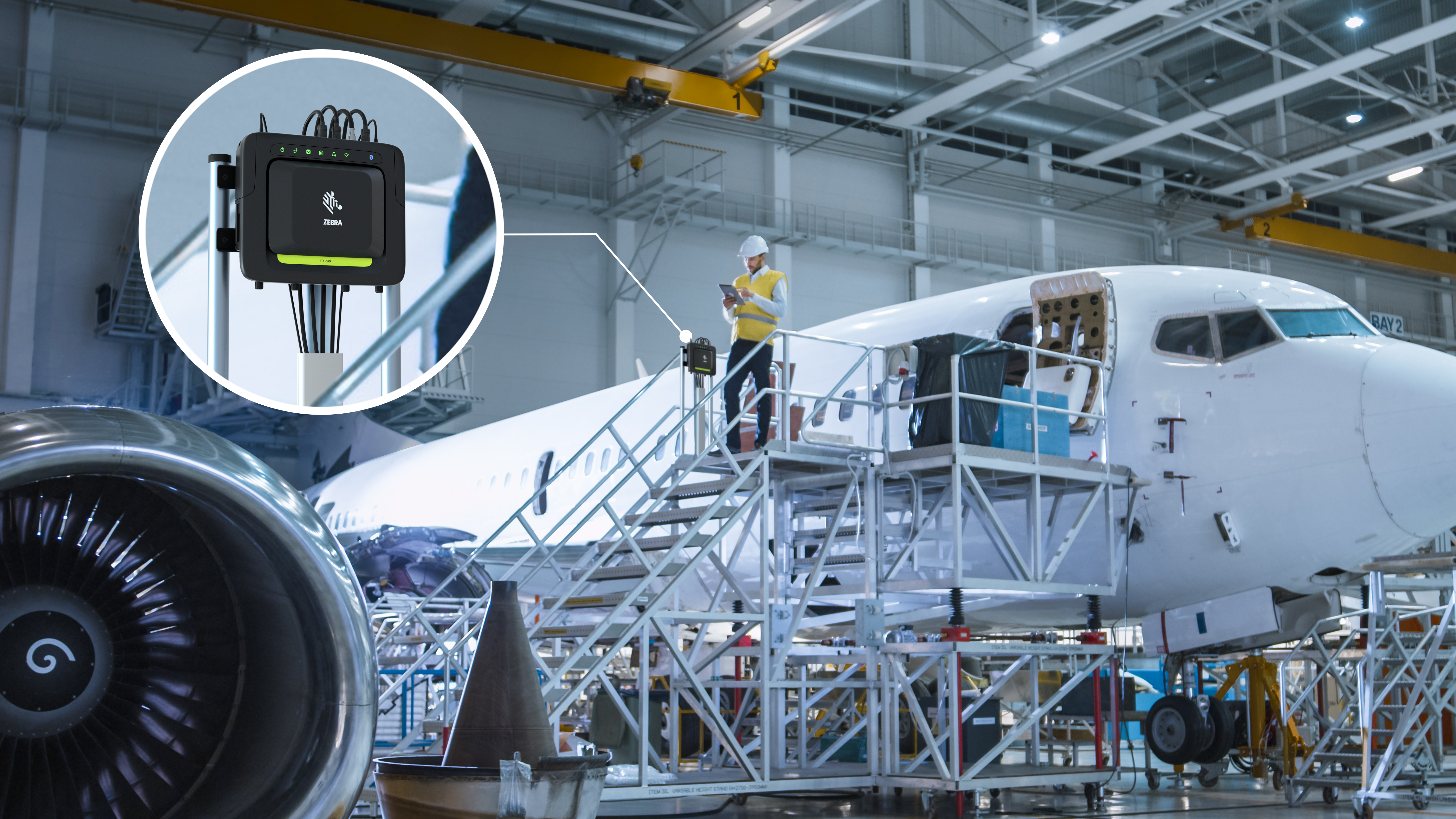
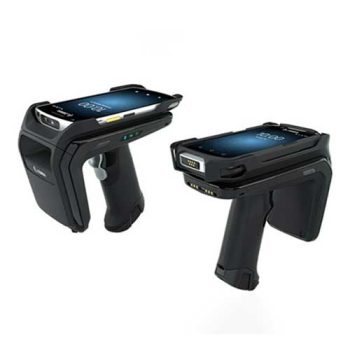
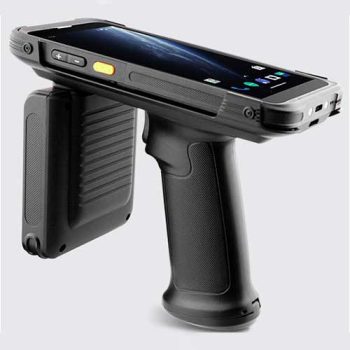
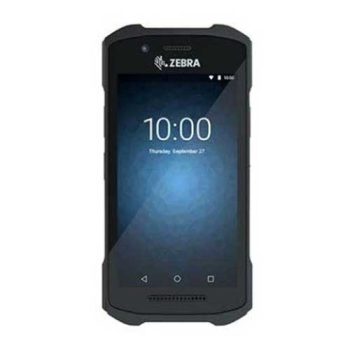
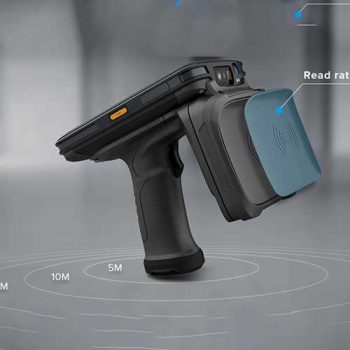
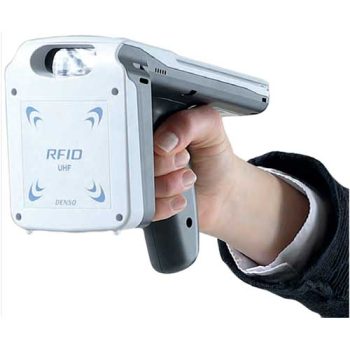
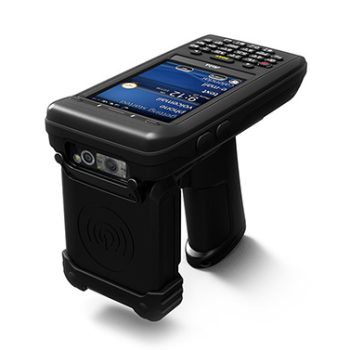
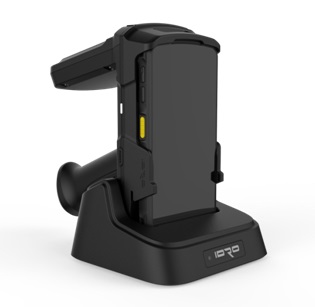
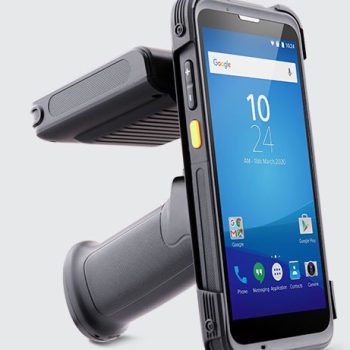
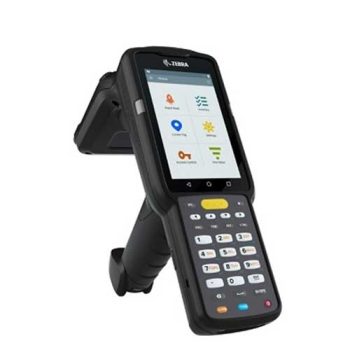
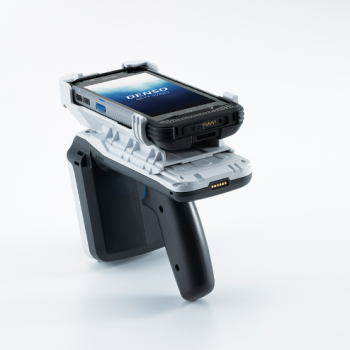
RFID readers in the aviation industry
RFID in the aviation industry helps enhance customer experience
Passengers often worry about losing their luggage. However, this is unlikely to happen with advanced RFID technology. By applying RFID technology to airport baggage management, your suitcase data is updated in real time. This allows you to proactively track the location of your luggage directly on your phone app, providing complete peace of mind and enhancing customer service.
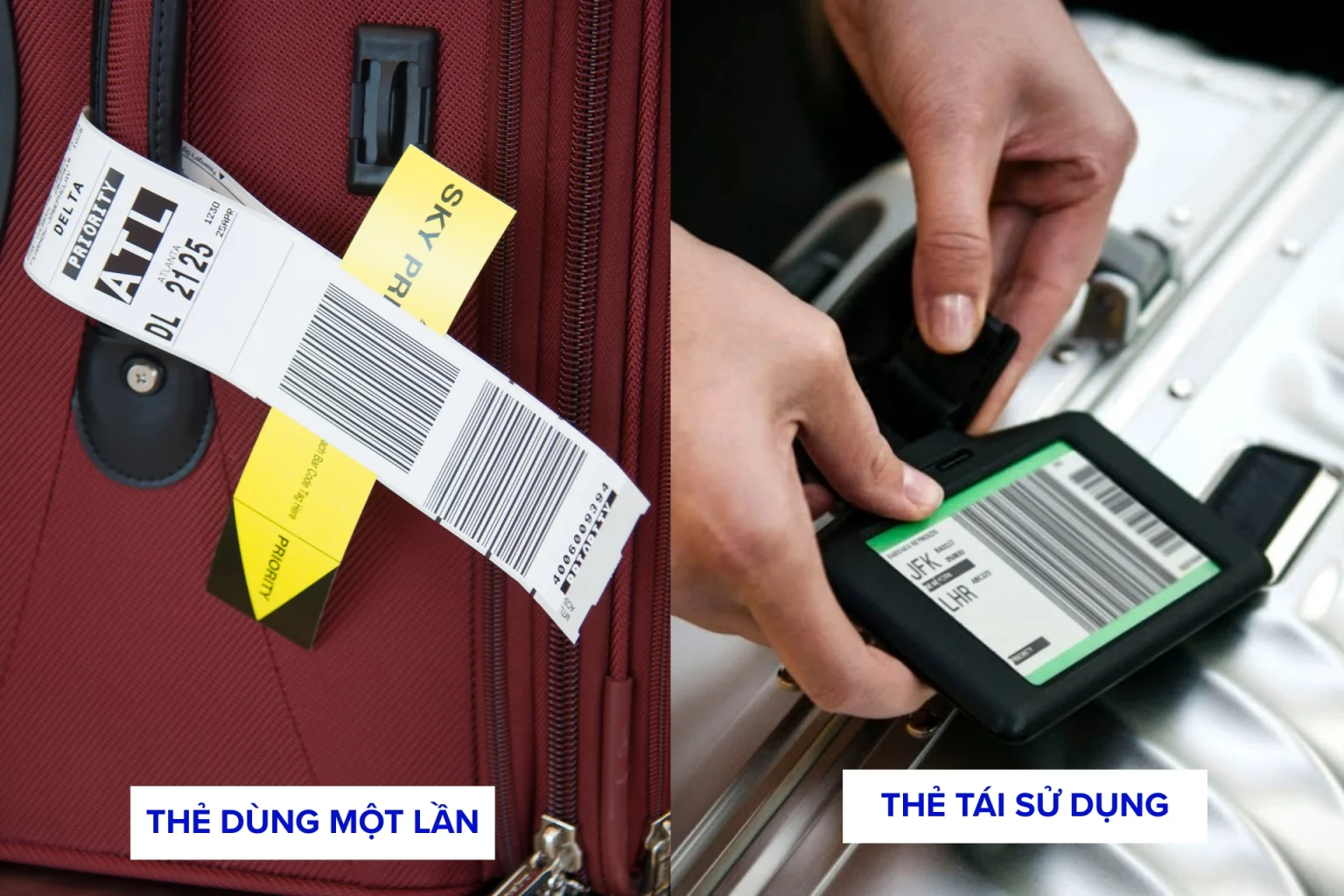
RFID cards for the aviation industry.
Complete automation process
RFID card readers are capable of reading through obstacles, enabling complete automation of delivery, inventory, maintenance, and customs clearance processes. All data is automatically synchronized to the management software without any manual intervention from personnel.
RFID helps save operating costs in the aviation industry
The application of RFID technology allows airlines to significantly reduce operating costs. In addition, the system optimizes the number of personnel required for baggage counting and sorting, resulting in long-term economic benefits.
RFID technology for managing assets and equipment in the aviation industry.
At the airport, you don’t just see airplanes; it’s a whole system encompassing ground equipment such as tow trucks, baggage carts, mobile staircases, etc. By attaching RFID tags and location-tracking labels, management can accurately track the location and operational status of all assets on a digital map system. This helps prevent losses and supports faster and more efficient vehicle coordination.
Top 3 Popular RFID Technology Applications in the Aviation Industry
Below are the top 3 RFID technology applications in the aviation industry that you can refer to:
Application of RFID technology in airport baggage management
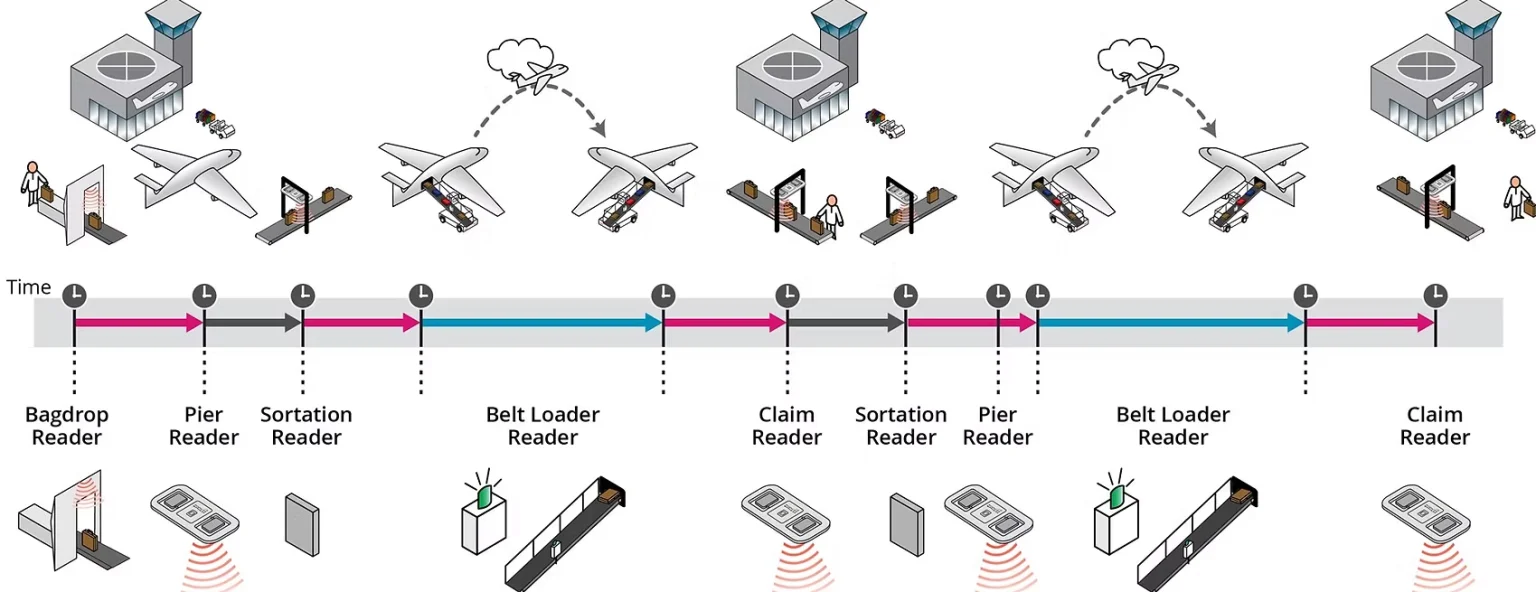
As mentioned in the article: “RFID for Airport Baggage Management – Preventing Loss, Enhancing Passenger Experience,” right from the check-in stage, each piece of luggage is tagged with an RFID tag containing a unique identifier. Instead of manual scanning, RFID readers installed in the terminal automatically detect the signal and update the luggage status to the central system each time a suitcase passes through the receiving points.
Airport baggage tracking model using RFID technology.
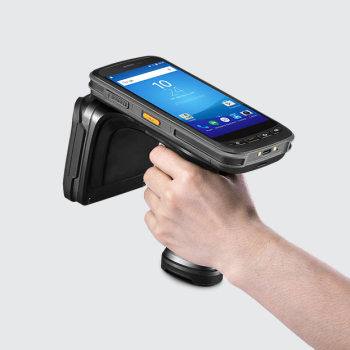
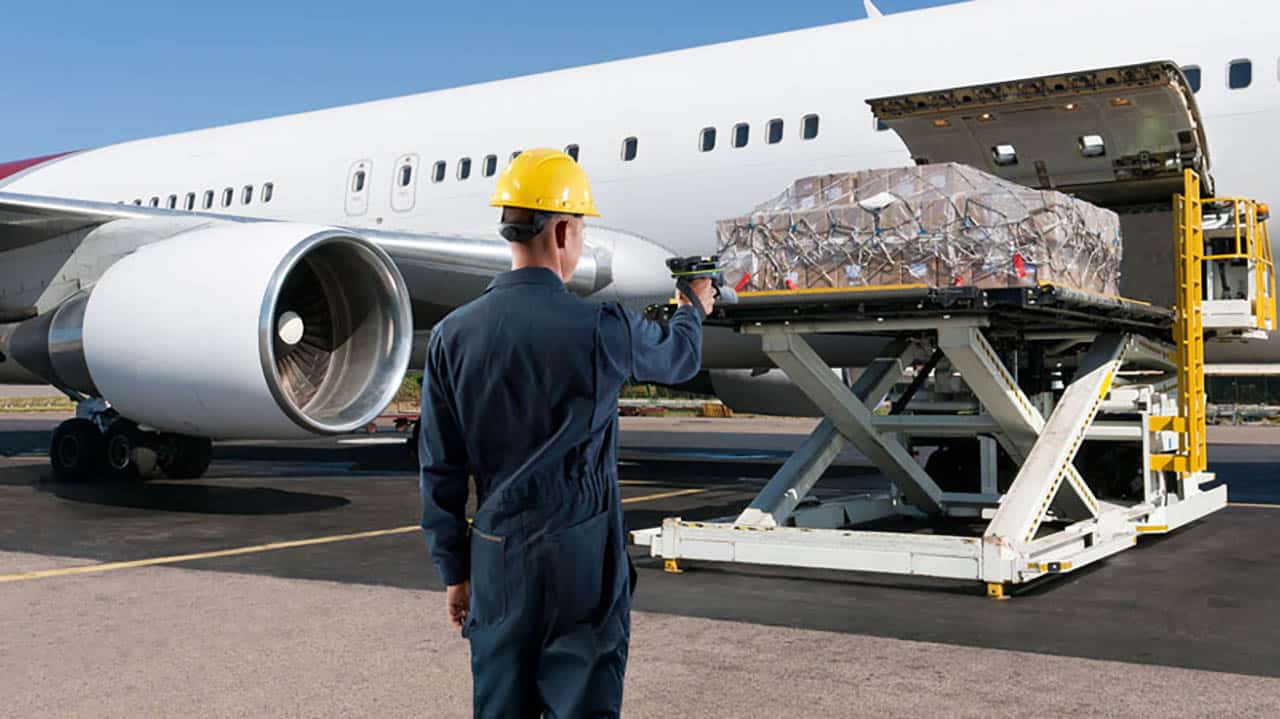
In addition, baggage handlers use handheld RFID readers to scan multiple pieces of luggage simultaneously on the trolleys before loading them onto the aircraft, completely eliminating any potential risks.
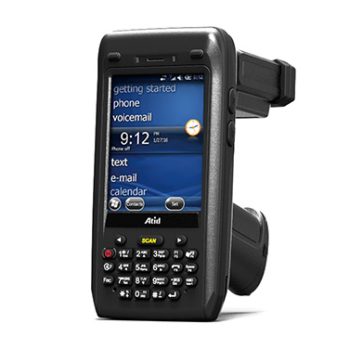
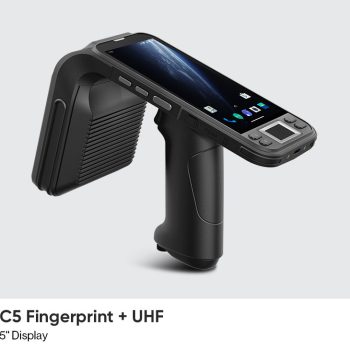
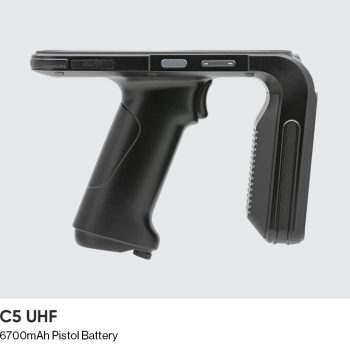
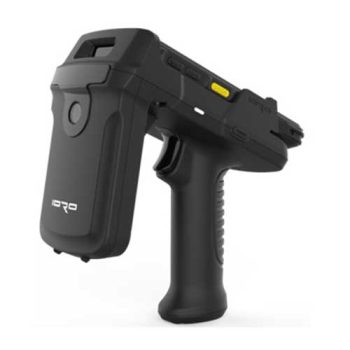
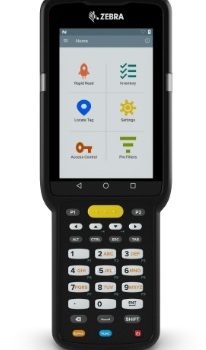
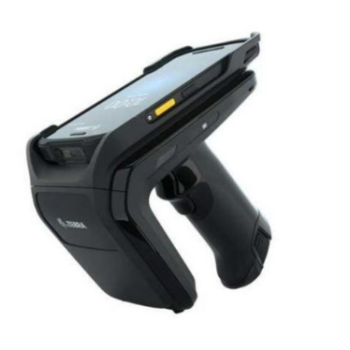
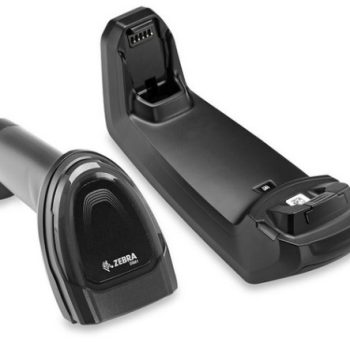
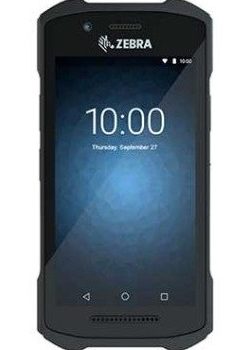
Check out our collection of best-selling handheld RFID readers:
RFID solutions provide real-time data updates with a 99% accuracy rate, immediately identifying any luggage that goes astray. RFID data is synchronized with the airline’s mobile app, allowing passengers to track their luggage’s “journey,” providing complete peace of mind throughout their journey.
Here’s a practical example to show customers the application of RFID in airport baggage management:
Delta Air Lines has invested $50 million to deploy an RFID system, including over 120 million RFID baggage tags annually and more than 600 RFID readers at 344 airports.
HKIA uses dual RFID and barcode systems, allowing passengers to print tags at home and bring them to the airport for scanning. The airport also integrates RFID readers with IoT systems to enhance baggage tracking capabilities and provide detailed data for optimal planning.
Application of RFID technology in asset management in the aviation industry
RFID technology is used in airport asset management, such as managing ground equipment systems, monitoring tow trucks and baggage carts, closely tracking aircraft components, spare parts, repair kits, and managing life vests, oxygen masks, and fire extinguishers. The system will automatically alert users to move vehicles from areas with surplus to areas with shortages, and schedule routine maintenance before vehicle breakdowns occur.
Fiumicino Airport in Rome has implemented passive RFID tagging on over 5,000 luggage trolleys, integrating a system to display the trolleys’ locations on a map in real time.
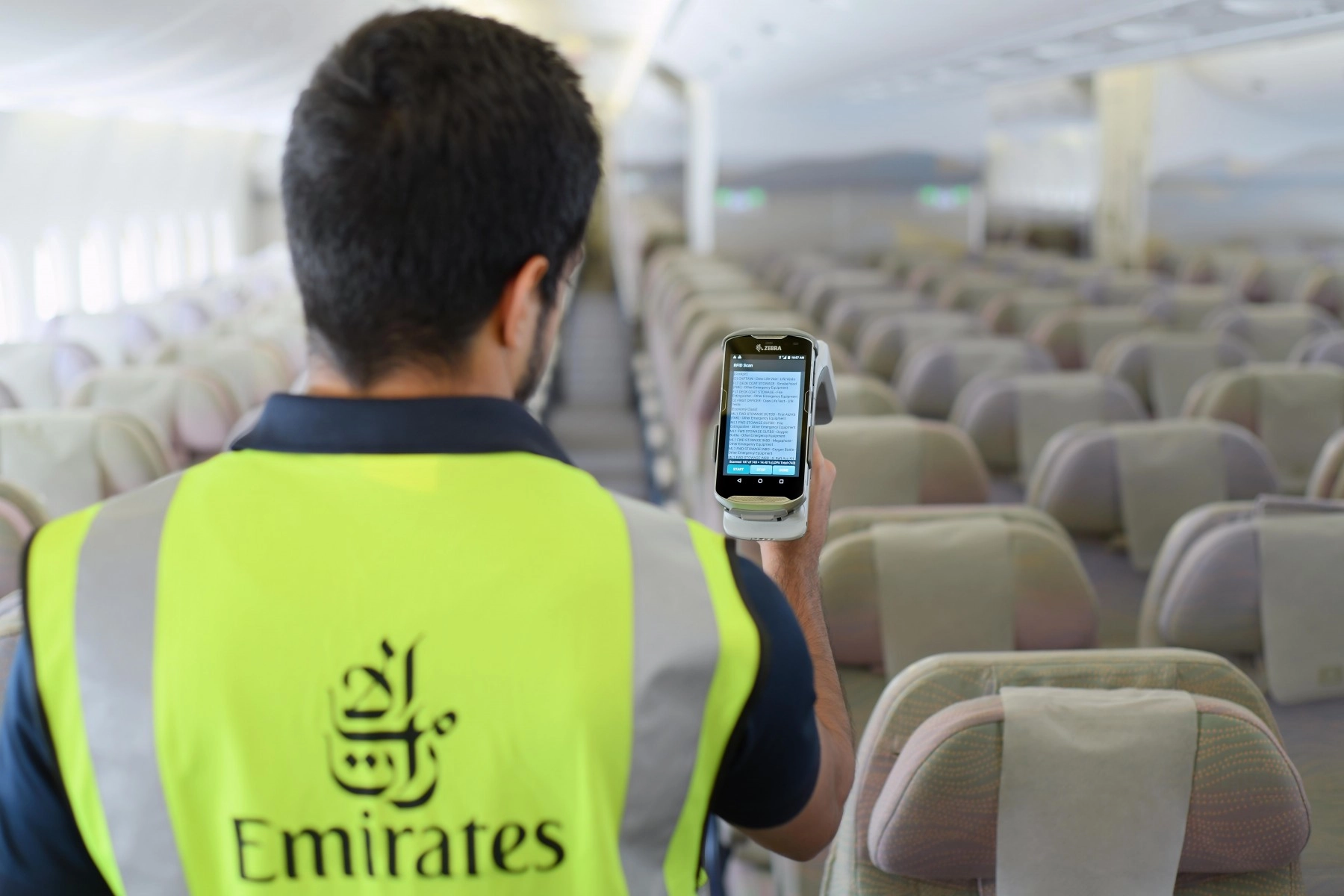
Emirates has equipped over 180,000 emergency equipment items on its aircraft, such as life vests, oxygen tanks, and first-aid kits, with RFID tags. Previously, staff had to manually check these items; now, with RFID, they can scan the entire passenger cabin in minutes using a reader.
Emirates Airlines has equipped more than 180,000 in-flight emergency devices with RFID tags
Enhance your travel experience with contactless journeys using RFID technology.
In the digital age, speed and convenience are key to customer retention. RFID eliminates procedural barriers, making passenger flows smoother and more sophisticated. Passports integrated with RFID chips storing personal biometric data, combined with automated gates and facial recognition technology, allow passengers to complete immigration procedures in seconds without direct interaction with customs officers.
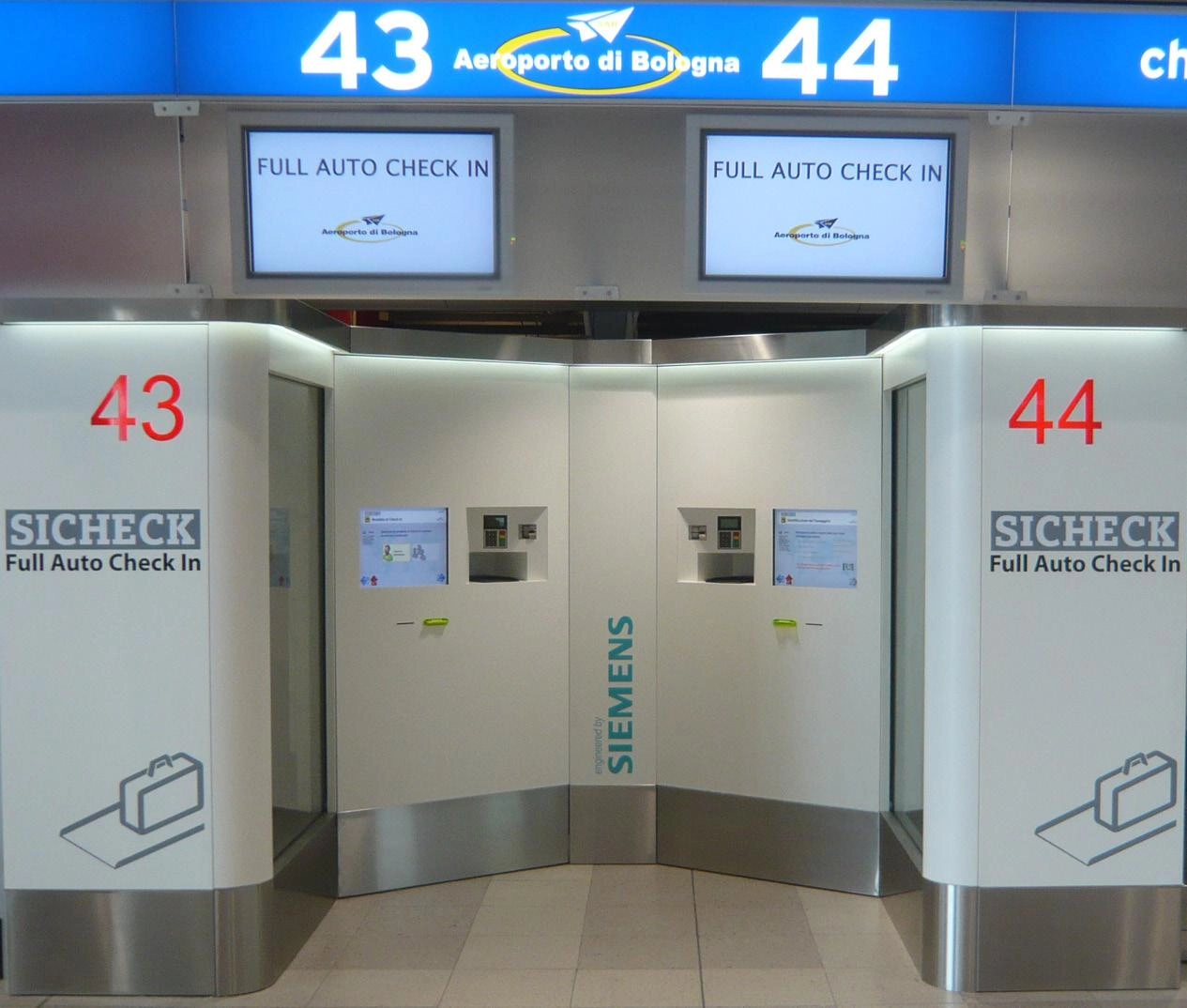
Self-check-in kiosks at the airport.
Furthermore, with check-in kiosks integrated with smart readers, passengers can freely scan their information, select seats, and print boarding passes, drastically reducing queues during peak hours and optimizing ground staffing costs for airlines. In addition, by using RFID in aviation management, RFID-enabled membership cards can completely replace traditional physical documents.
Comparing RFID and Barcode Solutions in Aviation Management
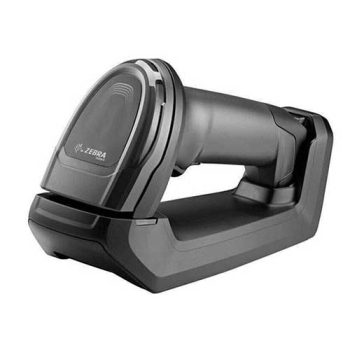
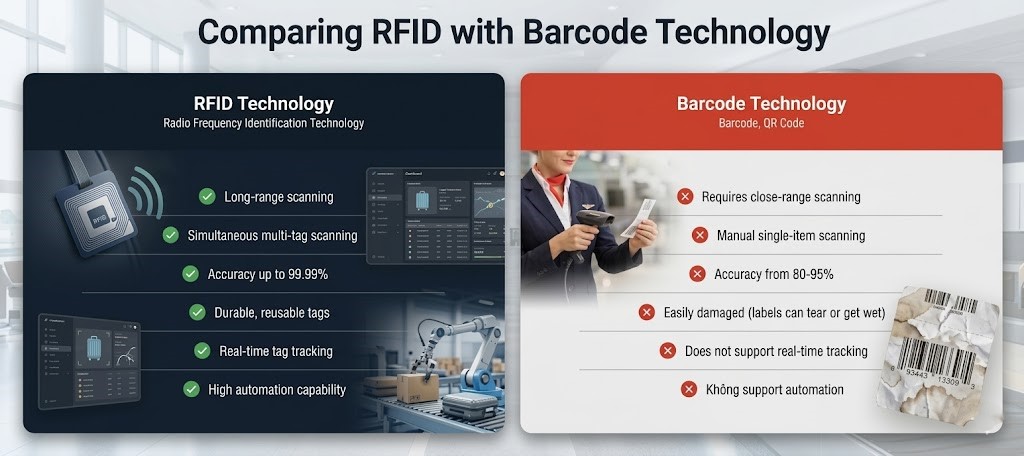
Barcode technology has been around for many years, requiring a short scanning distance, direct laser beam exposure, and easy fading of barcode labels. This has led to congestion at baggage conveyor belts and significant delays in inventory management and maintenance. In contrast, RFID technology allows readers to scan hundreds of tags simultaneously, enabling rapid inventory counting and data collection, significantly reducing operating costs and enhancing the passenger experience.
See the following comparison table for details:
Comparing RFID with barcode technology in aviation management.
Challenges in Implementing RFID at Airports
Despite its significant benefits, implementing RFID in the aviation industry is not always easy. Aircraft and airport equipment largely contain metal, which can interfere with radio waves. Therefore, when applying RFID in aviation, organizations often prioritize the use of metal-resistant RFID chips, specifically designed for optimal performance.
Challenges in deploying RFID at airports
Furthermore, the cost of RFID in airport baggage management or the aviation industry is very high. Naturally, this can also be a barrier for airlines today. In Vietnam, major airlines are gradually incorporating RFID into asset management, equipment management, security control, etc., laying the groundwork for comprehensive digitalization.
IT Nam Viet – A Reputable RFID Solution Provider in Vietnam
In the Vietnamese market, IT Nam Viet has been steadily establishing itself as one of the leading and most reputable RFID suppliers, becoming a strategic partner accompanying corporations in optimizing their supply chains and asset management.
IT Nam Viet provides a diverse range of RFID readers, RFID tags, and custom RFID tag fabrication to meet each customer’s specific requirements. We are partners with major RFID manufacturers such as Zebra, Impinj, and Chainway, committed to providing customers with high-quality equipment at competitive prices.
IT Nam Viet always applies a thorough on-site survey process, allowing us to provide optimal anti-interference equipment configurations, ensuring a 99% accuracy rate even under the harshest conditions. Partnering with IT Nam Viet not only helps businesses solve asset loss problems and automate processes but also ensures a rapid return on investment (ROI).
The cost of deploying an RFID system in the aviation industry depends on the project scale, the number of reader ports, the type of RFID tag, the complexity of the system, etc. Contact IT Nam Viet for detailed advice on RFID technology for airport management.
In the short term, RFID should be used in conjunction with barcodes, but it cannot completely replace them immediately. However, in the long term, RFID and other contactless technologies will be the dominant standard.
RFID is quite secure and highly confidential. Each RFID chip attached to luggage contains only a unique identifier, which includes information about the passenger’s luggage. This ID code is only valid when scanned by the airport’s internal readers and compared against a secure database stored deep within the airline’s servers. Therefore, even if it is secretly scanned by an external device, the data obtained will be completely meaningless.
NAM VIET IT TRADING – SERVICE CO., LTD
Company address: 177/22 National Highway 1K, Linh Xuan Ward, Ho Chi Minh City
Showroom and office address: 88 Street No. 15, Van Phuc Urban Area, Hiep Binh Ward, Ho Chi Minh City
Hotline: (+84) 962 888 179
Branch in Cambodia: No. 6 Street 24BT, Thnaot Chrum, Boeung Tumpun 2, Khan Mean Chey, Phnom Penh
My name is Le Nam Viet, currently FOUNDER & CEO of Nam Viet IT Company, I graduated from Ho Chi Minh Polytechnic University. I have more than 3 years of experience providing RFID chip technology solutions, RFID scanners, barcode labels and barcode readers. It’s a pleasure to share my knowledge with readers.




 Tiếng Việt