
 Tiếng Việt

Comparing handheld and fixed RFID readers helps businesses choose the right equipment for their needs. Handheld RFID scanners are more convenient when employees need to move to the items being scanned, while fixed RFID readers are better suited to capturing data at designated reading points. So, should you choose a handheld or fixed RFID reader? In this article, IT Nam Viet will help you find the right answer.
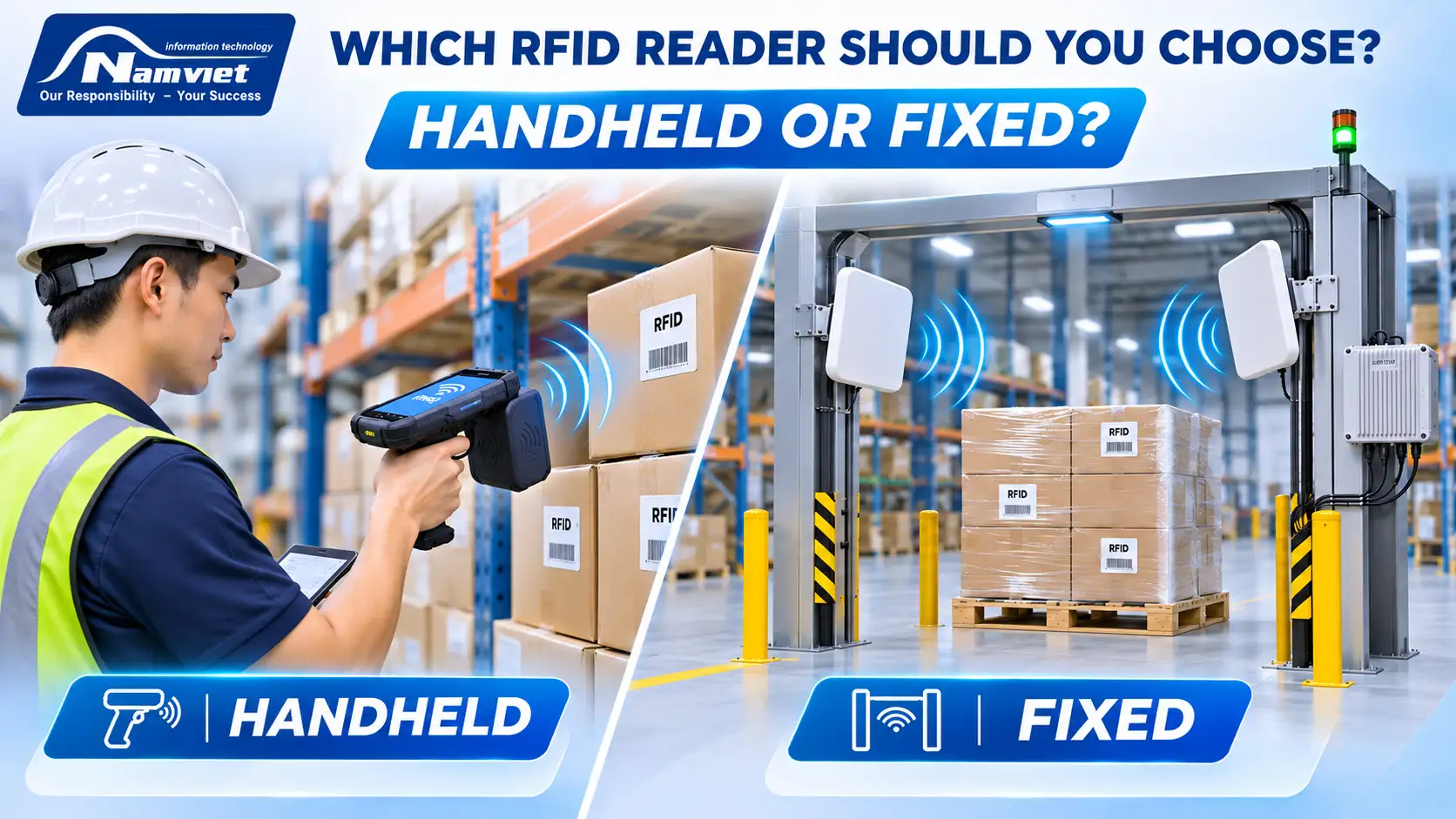
Advantages and Disadvantages of Handheld and Fixed RFID Readers
To gain a clearer understanding of whether to choose a handheld RFID reader or a fixed RFID reader, you need to understand the characteristics of each type of device.
About Handheld RFID Readers
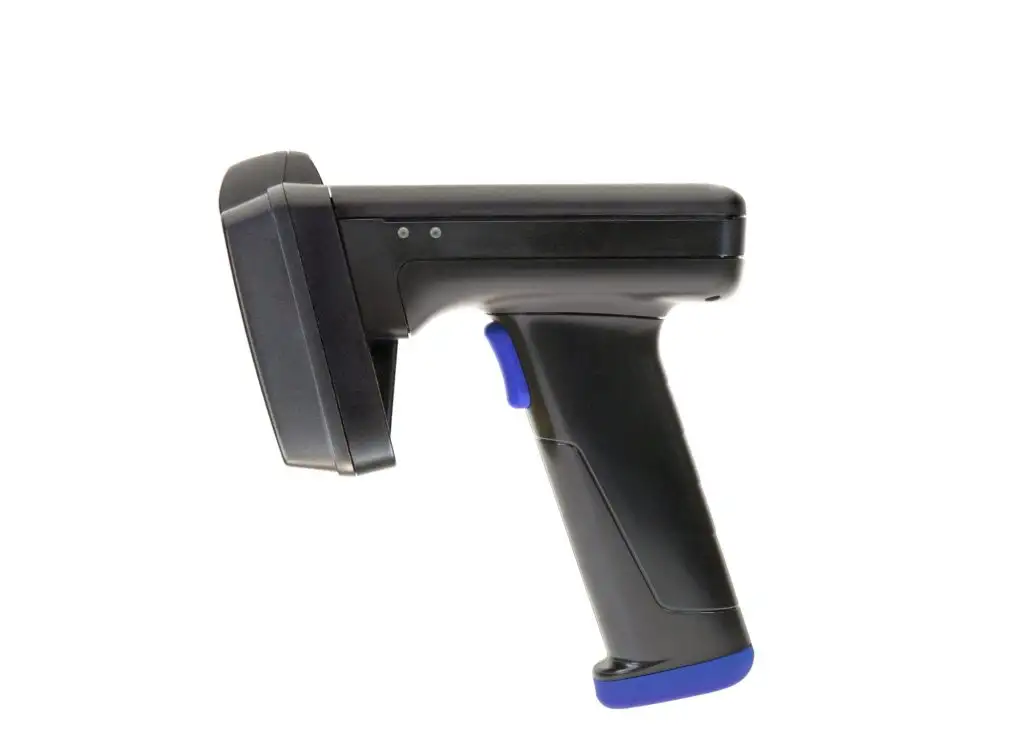
A handheld RFID reader is a compact, battery-powered mobile device with an integrated RFID antenna, allowing employees to bring the reader to shelves or assets that need checking. Depending on the design and manufacturer, you can choose a model with its own screen, operating system, and applications, or one that connects to a host device such as a smartphone or computer.
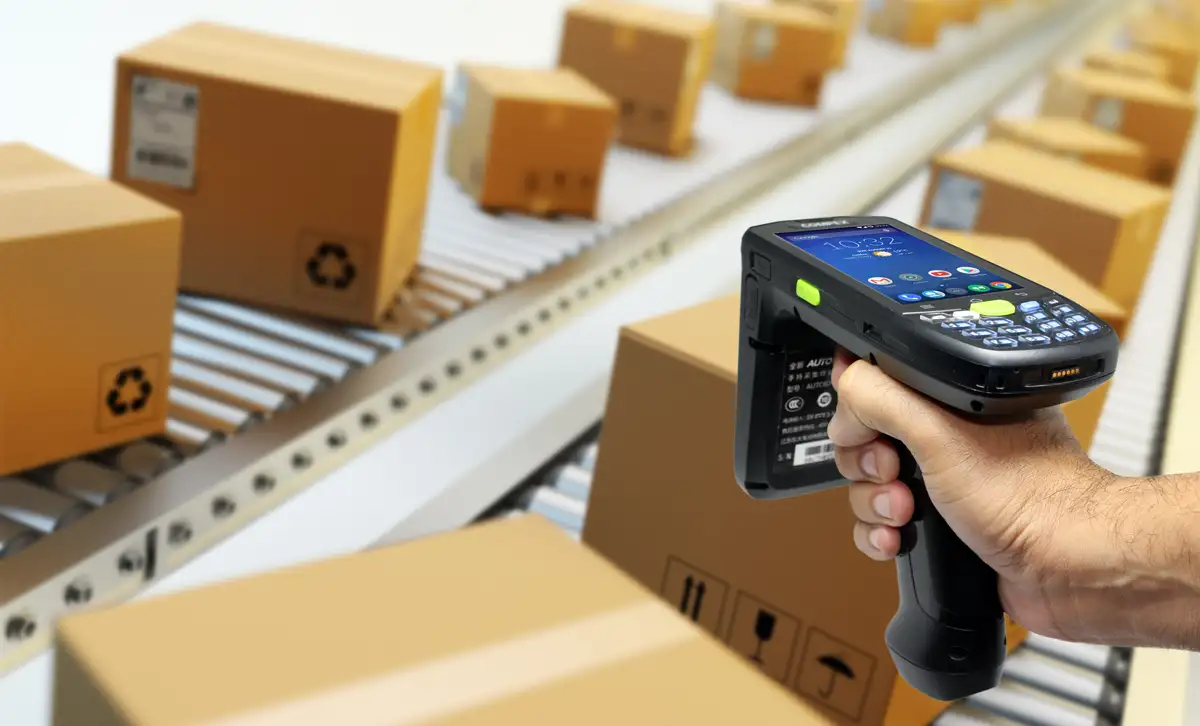
Handheld RFID scanners are suitable for periodic inventory counts, locating misplaced goods, checking stock, and more. For this reason, they are commonly used in RFID applications in retail, RFID warehouse management, and other applications.
A key advantage of handheld RFID scanners is their flexibility and lower initial investment compared with fixed RFID readers. Warehouse staff can inventory hundreds of products in just a few minutes without having to scan each barcode individually as they did before. This speeds up inventory counting and reduces errors in stock management.
However, one important limitation of handheld RFID readers is their dependence on the operator. The system cannot automatically capture data as goods move through a facility without someone operating the reader, so the level of RFID automation is limited.
Explore handheld RFID scanner models:
Handheld RFID Scanner Handheld RFID Scanner Handheld RFID Scanner Chainway RFID Device Handheld RFID Scanner Handheld RFID Scanner Chainway RFID Device Handheld RFID Scanner Handheld RFID Scanner Barcode Scanners Handheld RFID Scanner Chainway RFID Device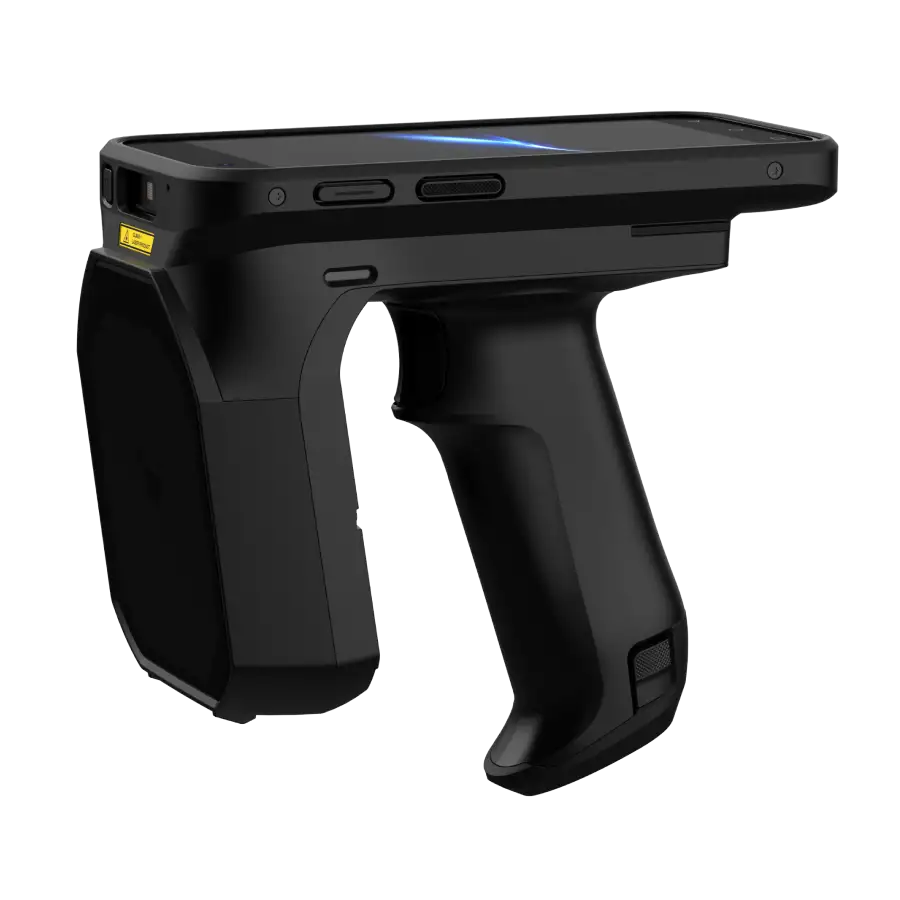


About Fixed RFID Readers
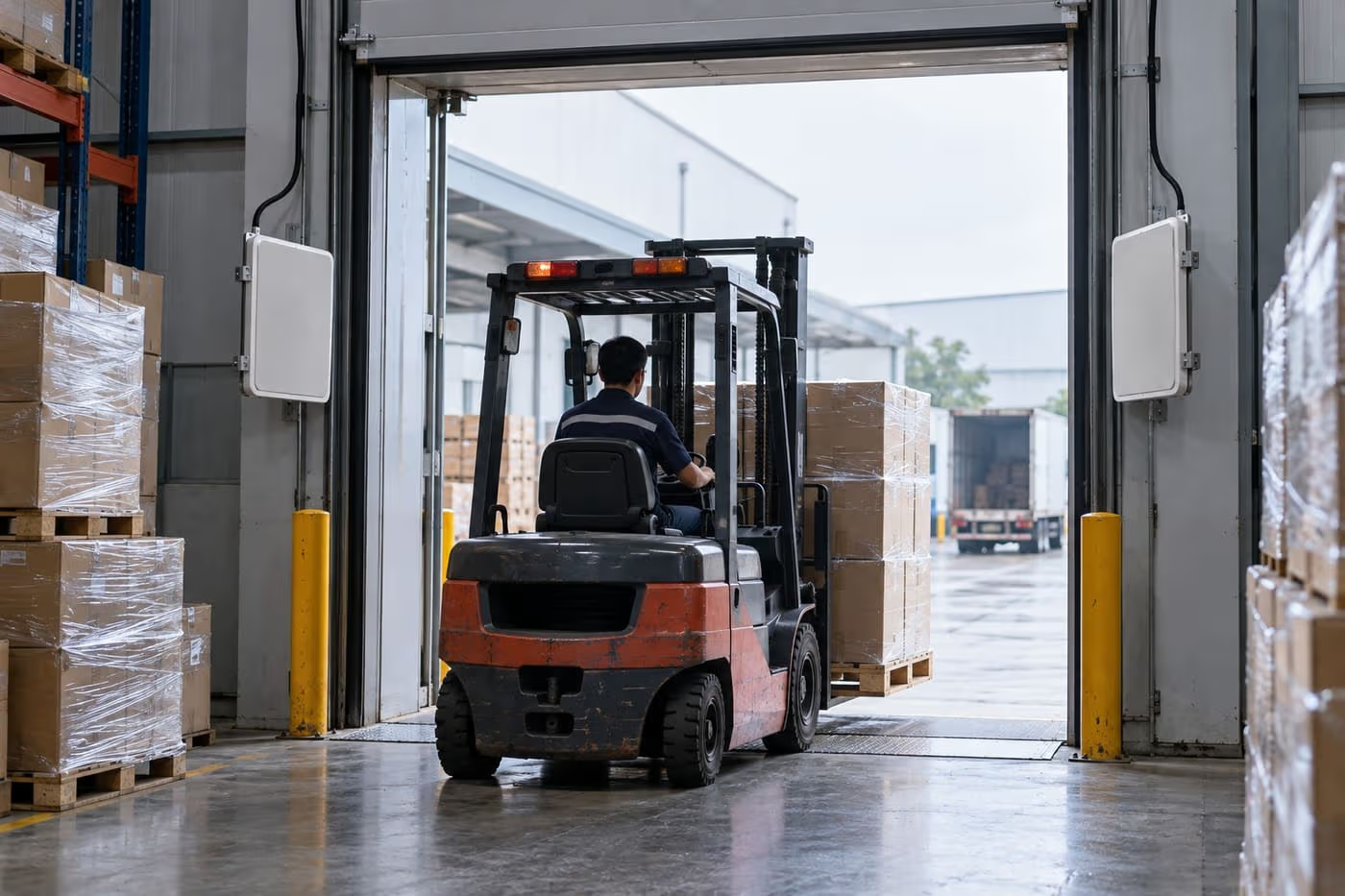
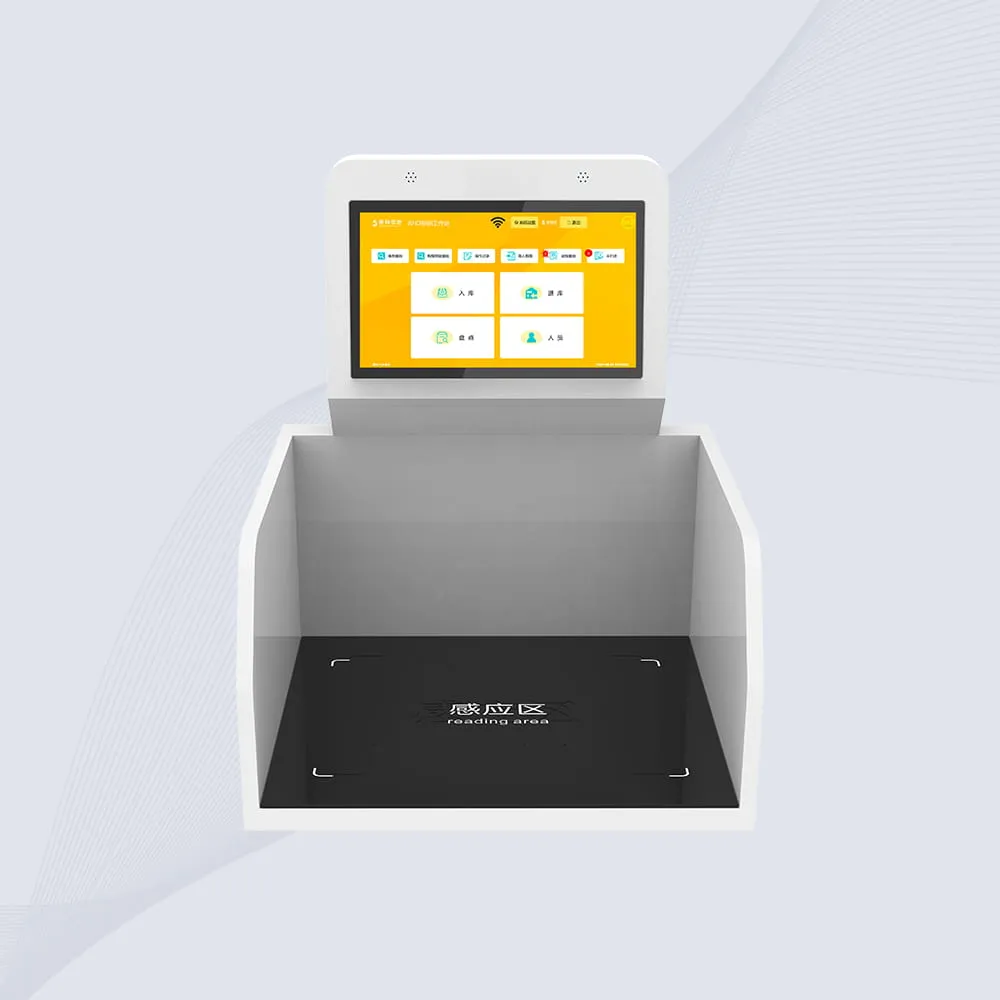
Fixed RFID readers are typically installed at warehouse entrances and exits, conveyor belts, production lines, or access control points. When an RFID tag enters the coverage area of an RFID antenna, the reader automatically captures the data and sends it to the management system.
The most significant advantage of fixed RFID readers is their ability to fully automate the data collection process. Goods or pallets can be recorded as they pass through an RFID gate without employees scanning them manually. With a fixed reading station, however, businesses must design the read zone and data-processing rules so that the captured data accurately reflects activity at that point.
However, a drawback of fixed RFID readers is their higher implementation cost. Therefore, this type of equipment is often used in large-scale RFID projects, such as applying RFID in manufacturing and supply chain management.
Explore fixed RFID reader models:
Fixed RFID Readers Fixed RFID Readers Fixed RFID Readers Fixed RFID Readers AdvanPay-170 ™ – RFID reader for points of sale with hard tag detacher Fixed RFID Readers Fixed RFID Readers Fixed RFID Readers Fixed RFID Readers Fixed RFID Readers



Handheld vs. Fixed RFID Readers: A Comparison
The table below compares handheld and fixed RFID readers to help you choose the most suitable option:
| Comparison Criteria | Handheld RFID Readers | Fixed RFID Readers |
| How They Operate | Employees carry the reader to the shelves or assets that need checking and perform batch scanning. | Data is captured within a designated read zone, usually at a gate, production line, or similar location. |
| Main Tasks | Inventory counting, locating items, and supplementary checks. | Monitoring goods passing through gates or production stages. |
| Mobility | Easy to move between areas that need scanning. | Tied to a fixed location and its installed infrastructure. |
| Level of Automation | Depends on operator actions and the software application. | Can capture data based on configured events and workflows. |
| Read Zone | Varies with the reader’s position, orientation, and operator actions. | The station’s read zone must be designed and controlled. |
| Productivity | Assessment includes travel time and inspection time. | Assessment considers goods passing through and transactions recorded correctly. |
| Power Supply | Requires battery, charging, and shift management. | Requires a power supply suitable for the equipment configuration. |
| Installation | Configure the reader, host device, and applications. | Install the reader, antennas, cables, power supply, and network connections. |
| Software Integration | Verify applications, host devices, and data synchronization. | Verify connection interfaces and event data. |
| Operational Risks | Missing areas or inconsistent scanning procedures. | Reading tags outside the intended zone, missed reads, or duplicate event records. |
| Cost and Scalability | Costs include the reader, accessories, software, and labor, and are generally lower than those of a fixed RFID reader system. | Costs include the reading station, infrastructure, integration, and maintenance, making initial investment higher than for handheld RFID scanners. |
Read range depends on the tag, the materials of the goods, tag orientation, transmission power, environmental conditions, and other factors. In this context, TSL RFID devices are also among the products highly regarded by many users and businesses for their reading performance.
Read more: Top 10 Factors Affecting RFID Tag Read Range and How to Optimize Performance
Should You Choose a Handheld or Fixed RFID Reader?
In practice, choosing between a handheld and a fixed RFID reader depends on several factors, including implementation goals, the scale of business operations, the industry, and more.
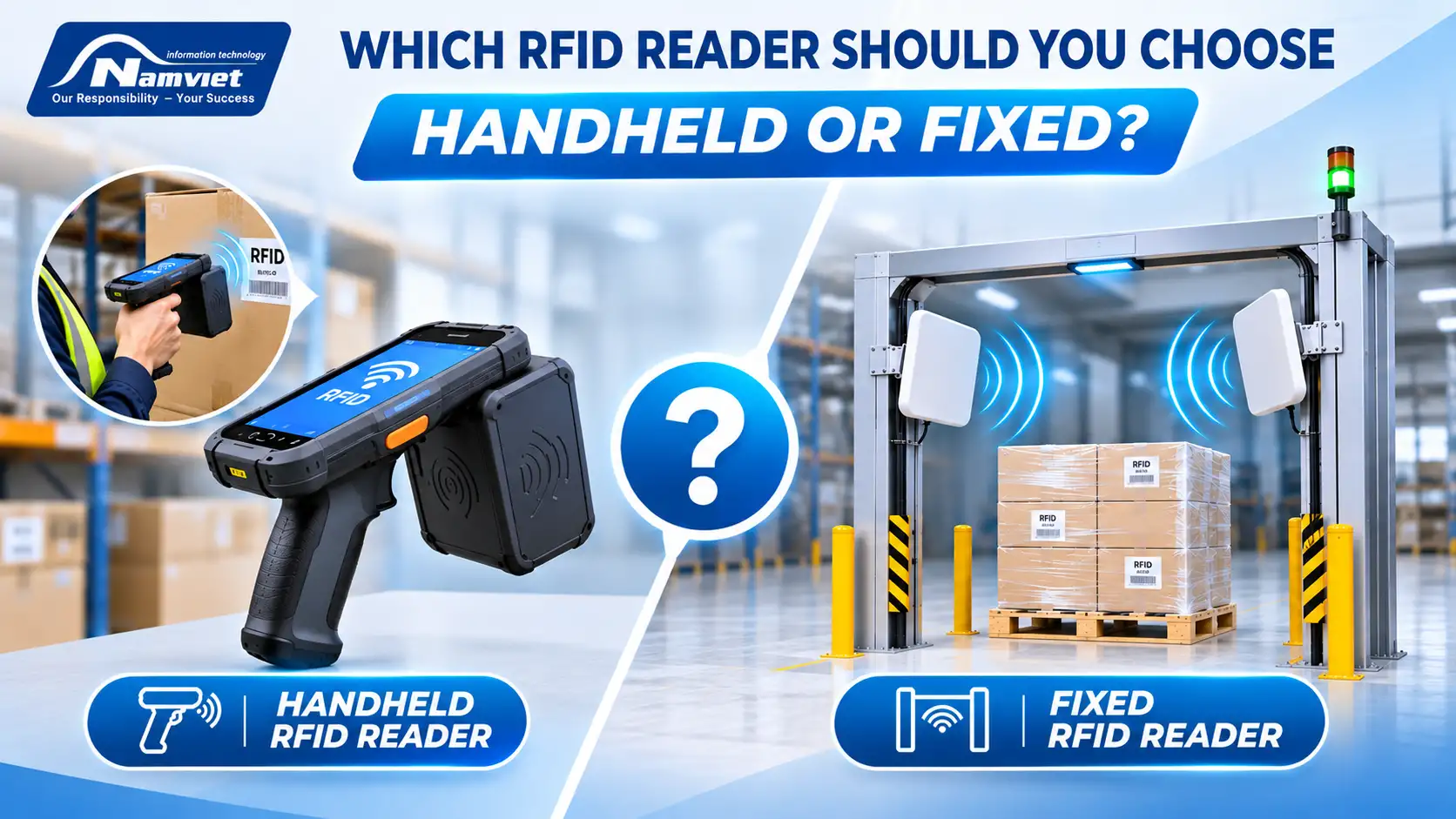
Handheld RFID readers are suitable for environments requiring flexible inventory checks or movement between different areas. In warehouses, staff can use handheld scanners to read RFID labels on each shelf to check product quantities or locate specific items.
Fixed RFID readers, on the other hand, are commonly used when businesses need automatic, continuous tracking of goods. For example, at a warehouse entrance or exit, a fixed RFID system can record pallet information as a forklift passes through the scanning area. This reduces manual inspection time and helps ensure that data is updated in real time.
For example, when applying RFID in manufacturing, a reading point can be placed at a production stage where work-in-progress items need to be recorded. Businesses must clearly define which items should be read, when an event should be generated, and how to handle items that take an incorrect route or return to the station.
Before deciding between a handheld RFID scanner and a fixed RFID reader, businesses should identify the reading locations, operators, how goods move, material and packaging characteristics, read zones, potential sources of RFID interference, and other relevant factors. If you are unsure whether to choose a handheld or fixed RFID reader, feel free to contact IT Nam Viet at 0962 888 179!
IT Nam Viet – RFID Solution Consulting and Implementation Tailored to Your Needs
With many years of experience providing reliable RFID solutions in Vietnam, IT Nam Viet is a company worth considering for your business. We offer free site surveys and consultations, along with product demonstrations, so businesses can assess solutions based on their operational requirements.
IT Nam Viet supplies a wide range of RFID equipment, including RFID printers, handheld RFID scanners, fixed RFID readers, RFID tags, RFID labels, and management software. We also offer customized RFID label production based on the required chip type and dimensions, helping ensure compatibility across specialized projects.
For more information, please contact:
IT NAM VIET TRADING – SERVICE CO., LTD.
- Hotline: (+84) 962.888.179
- Phone: (028) 3535 5877
- Email: info@chiprfid.vn
- Showroom: 88 Street No. 15, Van Phuc Urban Area, Hiep Binh Ward, Ho Chi Minh City, Vietnam
- Cambodia Branch: No. 6 Street 24BT, Thnaot Chrum, Boeung Tumpun 2, Khan Mean Chey, Phnom Penh

My name is Le Nam Viet, currently FOUNDER & CEO of Nam Viet IT Company, I graduated from Ho Chi Minh Polytechnic University. I have more than 8 years of experience providing RFID chip technology solutions, RFID scanners, barcode labels and barcode readers. It’s a pleasure to share my knowledge with readers.