Home » News » Top 10 RFID Applications in Retail for Optimized Operations and Increased Profit Margins
Top 10 RFID Applications in Retail for Optimized Operations and Increased Profit Margins
Managing a single retail store or chain of supermarkets with tens of thousands of diverse product codes in terms of color, size, and type presents businesses with numerous challenges. Even a small discrepancy can cost the store hours of checking, resulting in a poor customer experience. Therefore, the application of RFID in retail is crucial, optimizing operations and significantly increasing profit margins for businesses. This is also why retail giants like Walmart and Uniqlo have pioneered the elimination of traditional inventory counting methods and the application of RFID solutions throughout their entire retail supply chain and operations.
Challenges in Retail Management Today
Experience has shown that managing retail stores using barcode technology or other traditional methods has many limitations, leading to avoidable errors. Of course, if business owners want to expand their scale, they need to make groundbreaking decisions, such as applying RFID technology in retail.
Here are some of the limitations in retail management practices in many businesses today:
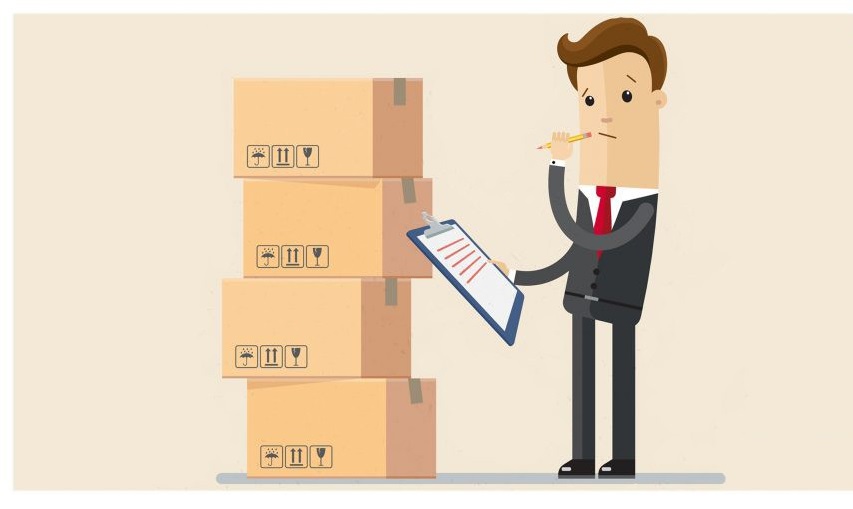
Inventory checks are too time-consuming and require too much manpower
Many large retail stores and supermarkets have incurred excessive labor costs for inventory management. Furthermore, inventory checks require employees to scan the barcodes of each item, which is extremely time-consuming.
Manual inventory management is time-consuming and costly in terms of manpower.
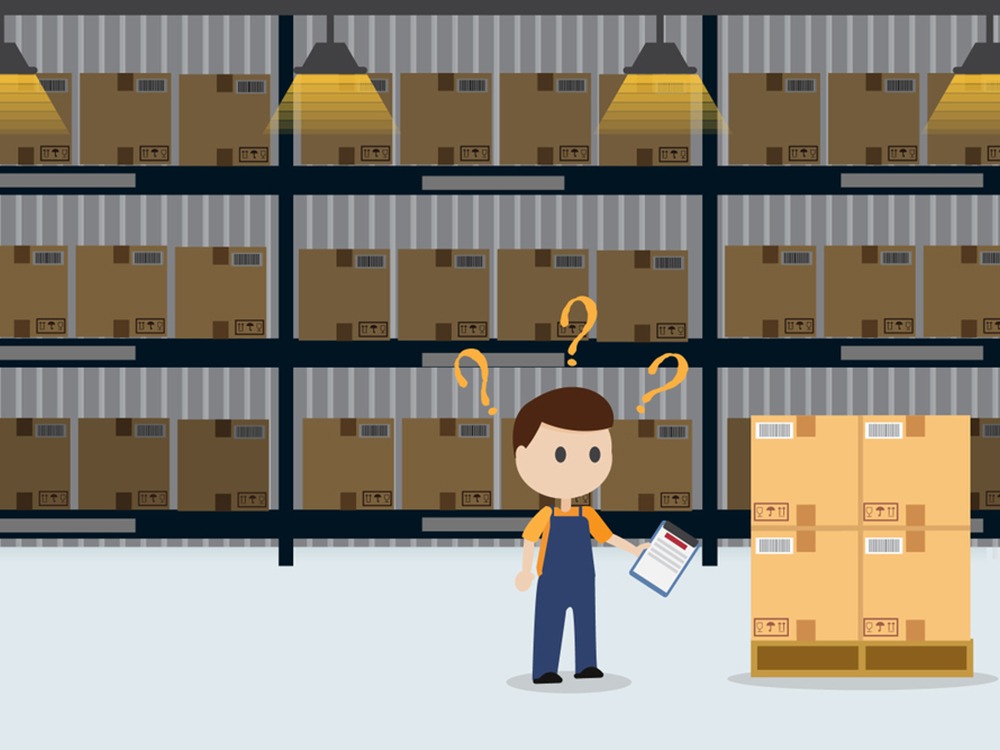
The discrepancy between actual and software inventory levels
This is a significant challenge for retail businesses today. For example, a customer places an online order, but upon inventory check, the item is out of stock, possibly due to loss of goods or incorrect barcode scanning by the warehouse staff. This leads to a high order cancellation rate and significantly impacts brand reputation and customer experience.
Loss of goods
There are many cases where stores lose goods due to theft, internal employee fraud, etc. If only traditional inventory and monitoring methods are used, you may not know when products were stolen. This makes tracing and updating the inventory system difficult.
Goods loss due to errors in manual counting.
Customers had a bad experience
Modern customers are very impatient with long queues at the checkout. Not to mention, if a customer needs an item and an employee takes 5-10 minutes to find it, the customer will become frustrated and decide not to buy. Nowadays, in retail businesses, whether selling household goods or fashion items, the customer experience remains the most important thing to prioritize.
Operational data lacks connectivity
By applying traditional technology in retail supply chain management, data becomes fragmented, store managers rely on manual end-of-shift reports, and businesses react slowly to changing market trends.
Flowchart of RFID Technology Operation in Retail
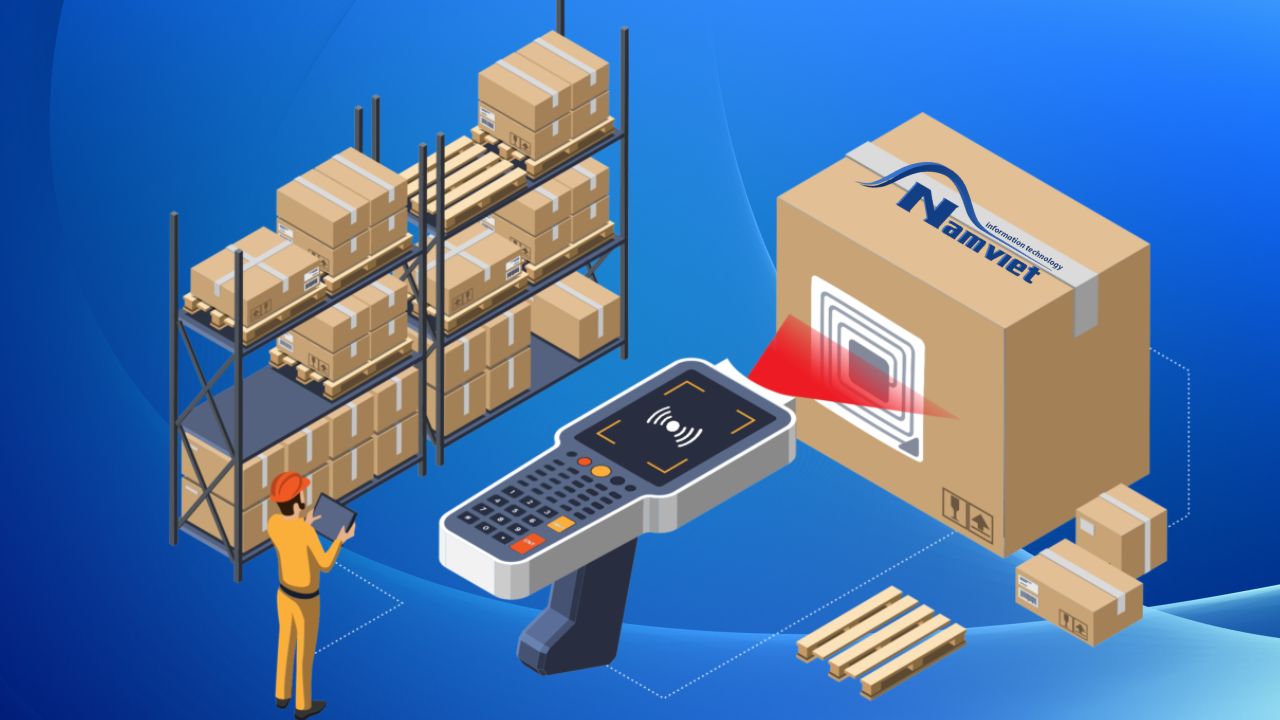
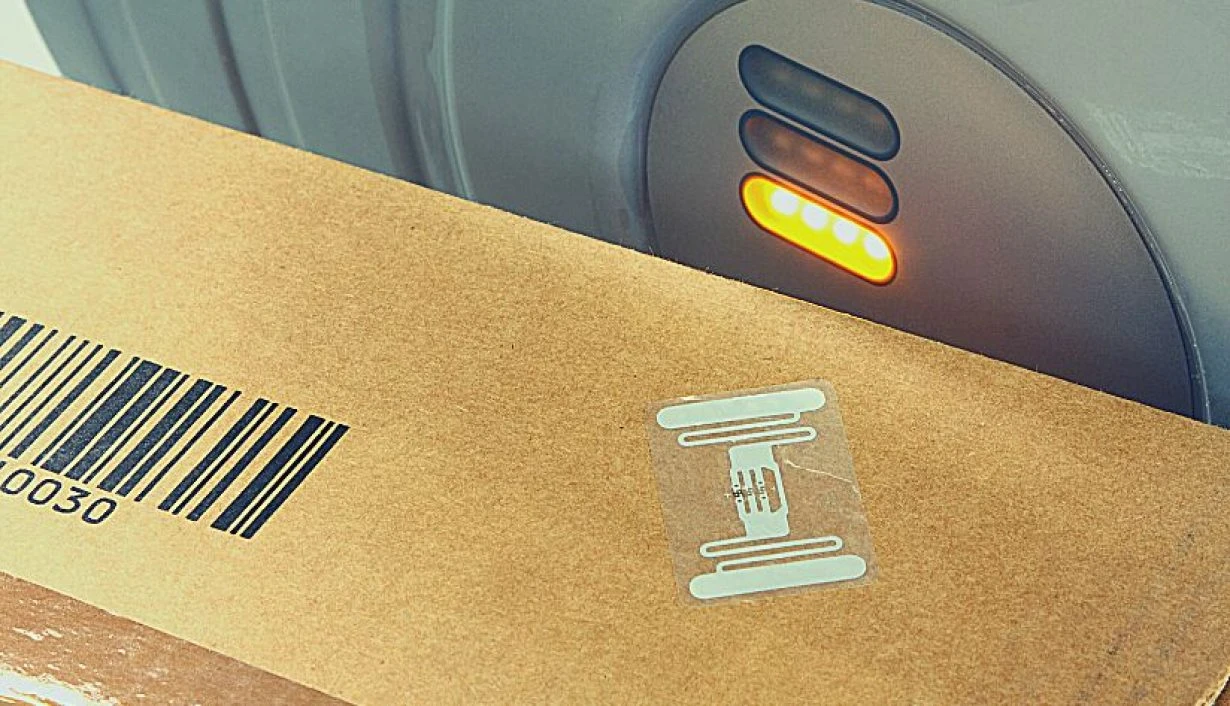
RFID is a radio frequency identification technology capable of remotely identifying products and reading RFID tags through various obstacles. In particular, RFID technology can read multiple tags simultaneously, increasing inventory efficiency and providing near-perfect accuracy.
RFID tag attached to product ==> RFID reader and radio antenna activate RFID tag ==> RFID tag responds with data ==> Software processes data ==> Data is transmitted to the central system ==> Visual display on the administration page.
As mentioned, industry giants like Walmart use RFID technology to optimize business operations, manage inventory, and provide an optimal customer experience. RFID is not simply an “upgraded barcode” but is also considered a digital transformation tool, bringing about fundamental changes to the operations of a retail chain today.
Below are the top 10 RFID technology applications in the retail industry for your reference:
Application of RFID technology in inventory automation
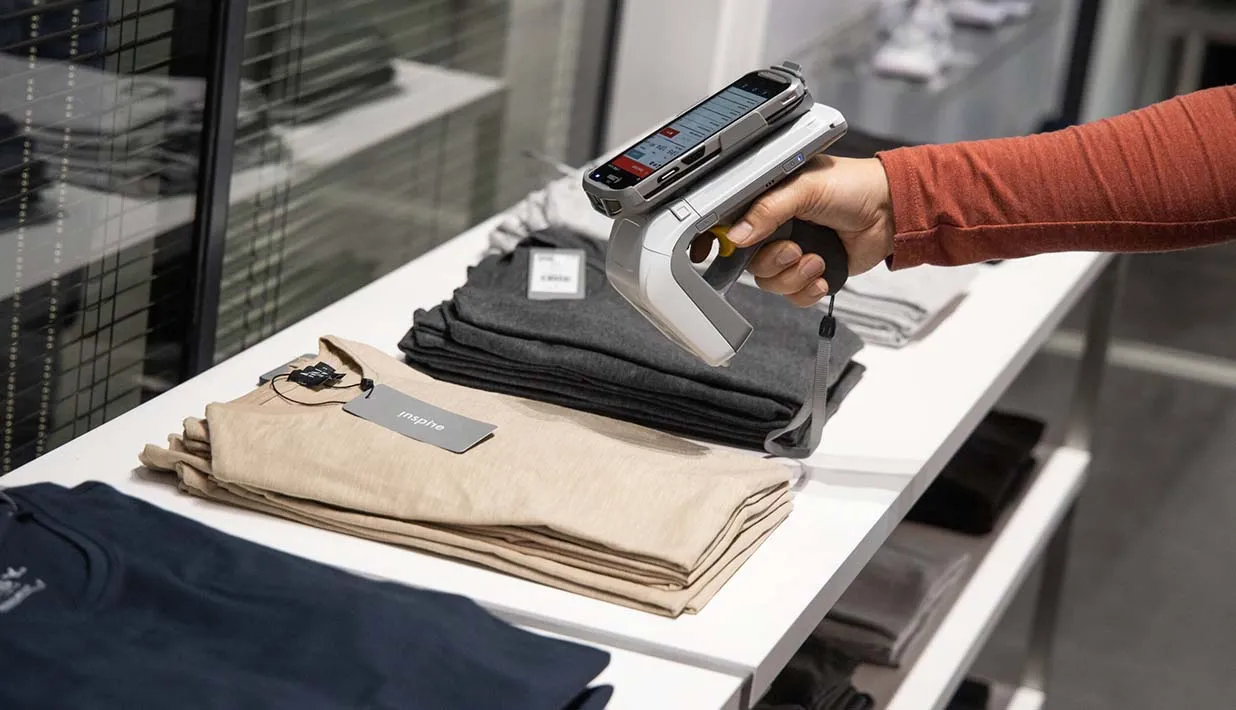
This is one of the most popular RFID applications in retail stores today. Instead of spending dozens of hours and employing dozens of staff, businesses can shorten inventory checks to just a few hours using RFID technology.
RFID is capable of reading hundreds of tags simultaneously and can scan through obstacles such as wooden or plastic shelves, significantly improving efficiency. Of course, a store with approximately 20,000 products can have its inventory completed with near-100% accuracy in just 30 minutes thanks to the application of RFID solutions.
Applying RFID technology in retail store inventory management
RFID systems in warehouse management are highly valued by businesses because they continuously update and clearly display data on products in stock, out of stock, the precise location of each product, etc. This not only helps improve inventory management for businesses but also enhances the customer experience.
RFID for Automated Inventory Counting
Why? Because thanks to RFID technology, retail store or supermarket staff can quickly and easily track product availability, allowing them to effectively advise and answer customer questions without keeping customers waiting.
Applying RFID solutions to reduce merchandise loss in retail stores
When RFID technology is applied in retail stores, the store’s security gates become smart, issuing immediate alerts if a product is taken out without payment. This effectively prevents theft or loss of goods due to internal employee fraud.
Application of RFID technology in warehousing and inventory management
At the central warehouse or when stores receive goods from suppliers, manual goods inspection is time-consuming and labor-intensive. With RFID technology, entire pallets of goods are transported by forklift through RFID gates, and the packages are instantly scanned and inventoried within seconds. The data is automatically compared with the goods dispatch order in the system, making warehouse entry and exit operations simpler for staff.
Using RFID in managing the flow of goods between multiple branches within the same retail system
As you know, in a chain with dozens of stores, coordinating the movement of goods between branches is commonplace. In this case, thanks to the application of RFID technology, goods can be transferred quickly and accurately, eliminating potential risks of loss.
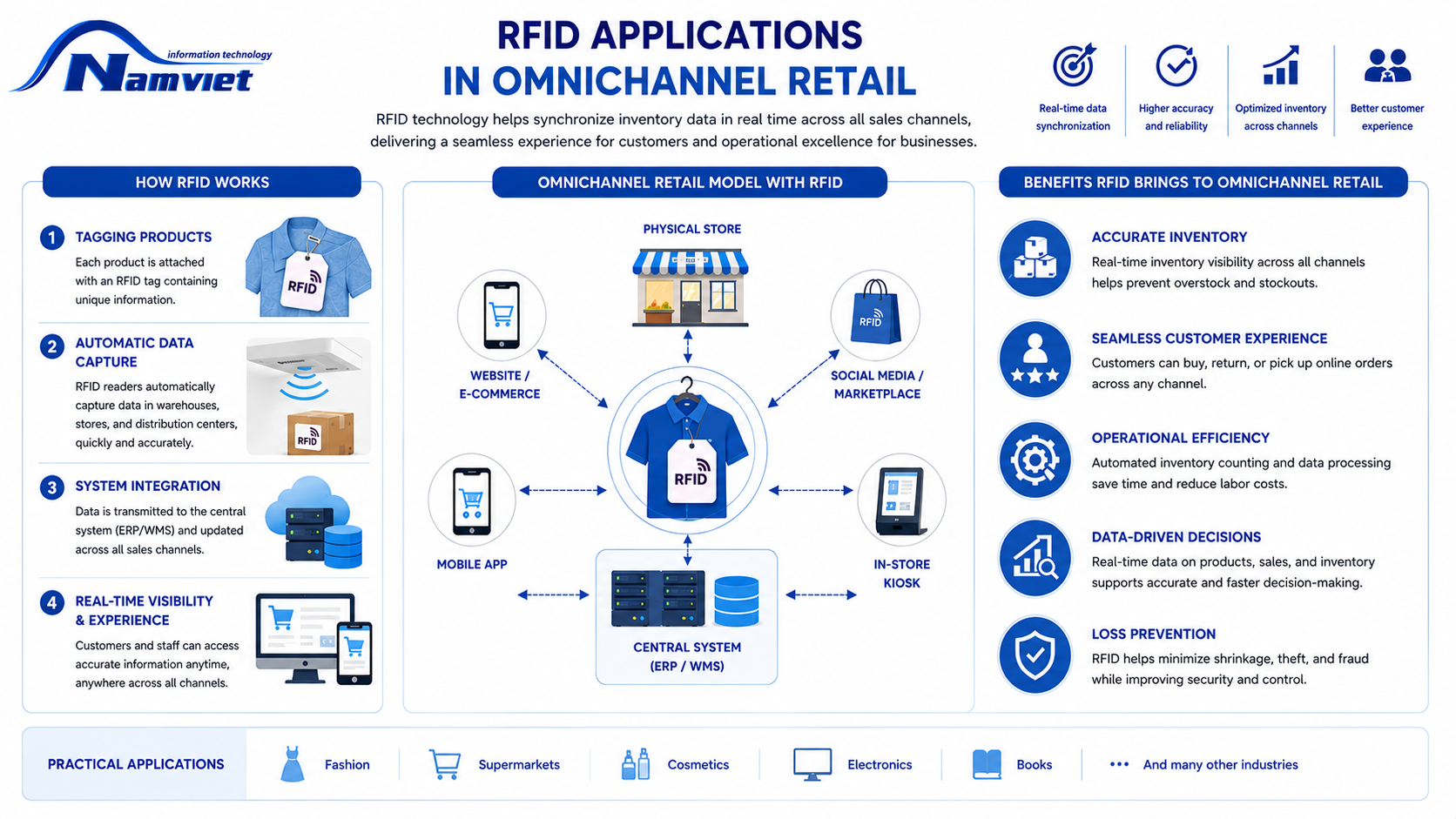
RFID applications in multi-channel sales
Thanks to the application of RFID technology in retail, product data is updated accurately in real time. Store employees or managers can simply look at the system to know which products are in stock, which are out of stock, which are sold directly in-store, and which are sold online, etc. Retailers can flexibly move inventory between stores, ensuring that stock shortages do not occur.
RFID applications in multi-channel sales
RFID applications in smart payment systems at retail stores
Decathlon Vietnam currently uses an ERP system to manage its business operations, including inventory management, supply chain, sales, and especially smart payment. After selecting items, customers simply drop them into the smart payment cart, and the screen immediately displays a list of goods and the total amount to be paid. Naturally, by using RFID, customers at these locations will not experience any inconvenience from long wait times at the checkout.
Retailers like Amazon have implemented RFID technology in their self-service stores. Once an account is created and a valid payment method is linked, customers can enter the store, select the products they need, and upon leaving, the RFID system at the entrance automatically scans their RFID tag information and processes the payment automatically through the system.
RFID applications in combating counterfeiting
RFID tags with unique identifiers will be attached to retail products such as handbags, watches, clothing, etc. Customers or distributors can easily check for counterfeit goods using specialized RFID readers. The product’s lifecycle can then be traced, including the manufacturer, production date, and expiration date. RFID acts as a guarantee of product authenticity.
With RFID solutions, when customers bring products in for exchange or return, staff only need to scan the RFID tag or label to immediately verify whether it is the product the customer purchased from the store, the purchase date, whether the exchange/return period is still valid, etc.
RFID technology is used in customer behavior analysis
By combining RFID and AI, retail managers can easily collect customer behavior data, see which products are popular and which are not, and develop appropriate business strategies to increase revenue and improve profit margins.
Between RFID and Barcode, Which Technology is Better for the Retail Industry?
In reality, many businesses have wondered why they should replace barcode technology with RFID, as RFID costs are quite high and unsuitable for small-scale retail stores. Each technology has different advantages and disadvantages, suitable for the specific characteristics of each field and project scale.
However, overall, RFID has many advantages over barcodes, offering practical benefits for businesses, automating operations and increasing productivity.
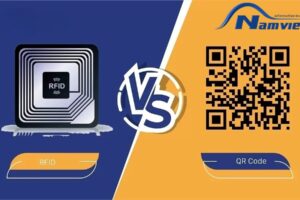
Between RFID and Barcode, Which Technology is Better for the Retail Industry?
Accordingly, for small retail models and low-value items, barcode printing is much cheaper and still meets basic operational needs. However, for large-scale models, as businesses enter the expansion phase, with high-value items, short product lifecycles, and multi-channel sales, RFID is the inevitable choice.
Retail businesses that are suitable for implementing RFID systems include:
Fashion and apparel retail chains
Large-scale supermarkets and grocery stores
Cosmetics and perfume chain stores
Electronics, phone, and household goods chain stores
Multi-branch, multi-channel chain stores
Pharmaceutical retail chains, pharmacy chains such as Long Chau, An Khang, etc.
With any technology, when implemented in a business system, there will inevitably be certain limitations and difficulties, and RFID is no exception.
The challenges of implementing RFID in the retail sector include:
Investment costs are a major obstacle for businesses when deciding whether to implement RFID in retail. RFID costs are quite high, requiring businesses to carefully calculate the ROI, payback period, and benefits.
RFID interference is also a significant challenge, especially in environments containing metal materials, densely packed shelves, or liquids.
Data integration and compatibility with existing management software are also potential issues.
Furthermore, employees may lack sufficient knowledge and experience in operating and managing retail stores using RFID technology.
Challenges in Implementing RFID in Retail
How to Implement RFID in Retail for New Businesses?
The “giants” have implemented mandatory RFID in their systems, yielding significant benefits in terms of revenue, profitability, and customer experience. Small and medium-sized businesses looking to begin implementing RFID should keep the following key points in mind:
First, businesses must assess their RFID deployment needs and goals.
Project budgets include many related factors; therefore, businesses must work with RFID suppliers to accurately determine the cost, and of course, carefully calculate the ROI of the project.
Consider and select RFID equipment that suits your needs and budget, including RFID readers, RFID tags, RFID printers, and auxiliary supplies such as cables, antennas, etc.
Choose appropriate software to ensure efficient operation.
IT Nam Viet – A Reputable RFID Technology Provider in Retail
IT Nam Viet proudly affirms its position as a reputable provider of comprehensive RFID technology solutions in Vietnam. Beyond simply distributing hardware, IT Nam Viet has positioned itself as a strategic consulting partner, offering optimal solutions to deliver high-quality RFID systems for businesses at the best possible cost.
IT Nam Viet – A Reputable RFID Technology Provider in Retail
We offer a complete ecosystem of solutions, from providing RFID tags and reader systems to software development. The core differentiating factor that makes IT Nam Viet stand out is our flexible and in-depth customization capabilities. Our engineering team is ready to build precise API protocols to ensure seamless integration and real-time data synchronization of RFID systems with any POS management software or central ERP network that our customers are currently using.
The RFID implementation process in retail at IT Nam Viet is as follows:
Conduct on-site surveys, analysis, and comprehensive evaluations.
Advise on suitable RFID solutions for retail.
Provide quotations and sign contracts.
Design the system and demonstrate the product.
Implement the system on a project-wide scale.
Provide guidance and training to personnel on using the retail RFID system.
Contact us now at (+84) 962 888 179 for expert advice!
It’s not necessary, as replacement depends on the needs and strategy of the business. For large-scale retail chains, applying RFID is essential to automate operations and optimize revenue and profits. However, for small retail stores, the investment cost for RFID is quite high, so barcode technology may be a better option.
In reality, RFID systems are more or less affected by operating environments containing metals and liquids. However, nowadays, technology providers have effectively overcome this and offer RFID solutions that work quite well in metal and other environments.
According to our survey, RFID inventory speed is 40-50 times faster than barcodes. An employee using an RFID reader can scan and record 15,000-20,000 products per hour, whereas with barcodes, they can only scan about 200-250 products per hour.
If you’re looking for RFID solutions in retail, IT Nam Viet is the ideal choice for you. We are committed to providing customers with meticulously detailed RFID solutions at reasonable costs, with long-term warranty support and lifelong project partnership. Contact us at (+84) 962 888 179!
My name is Le Nam Viet, currently FOUNDER & CEO of Nam Viet IT Company, I graduated from Ho Chi Minh Polytechnic University. I have more than 3 years of experience providing RFID chip technology solutions, RFID scanners, barcode labels and barcode readers. It’s a pleasure to share my knowledge with readers.



 Tiếng Việt