Home » News » RFID Contactless Payment – A Comprehensive Solution for Businesses
RFID Contactless Payment – A Comprehensive Solution for Businesses
RFID contactless payment is a technology solution that helps businesses comprehensively address revenue management challenges while enhancing the customer experience. An RFID contactless payment system is more than just a cashless payment tool; it seamlessly integrates customer identification, access control, balance management, real-time transaction recording, and centralized revenue reporting on a single platform.
RFID Contactless Payment
What Is RFID Contactless Payment?
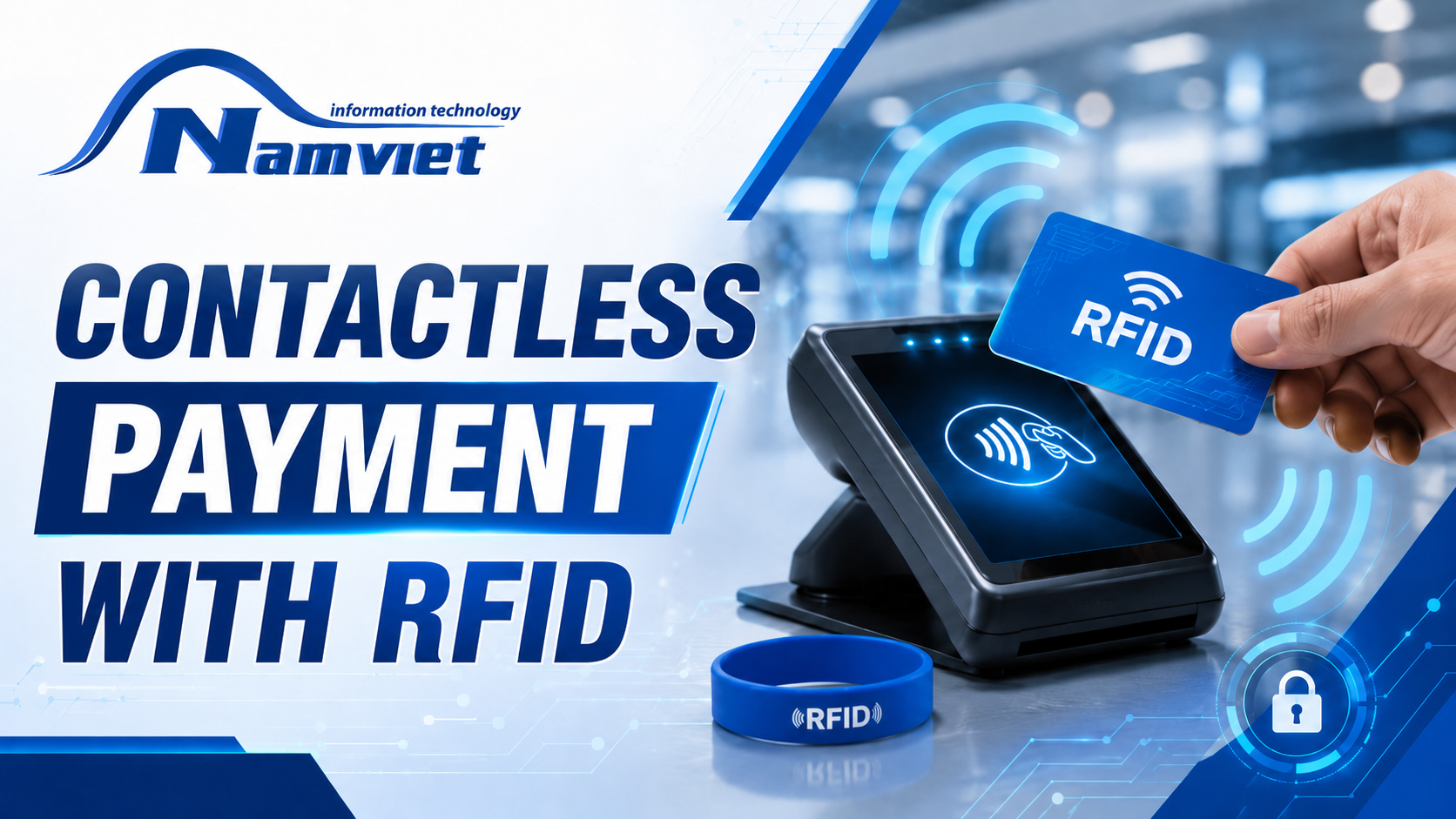
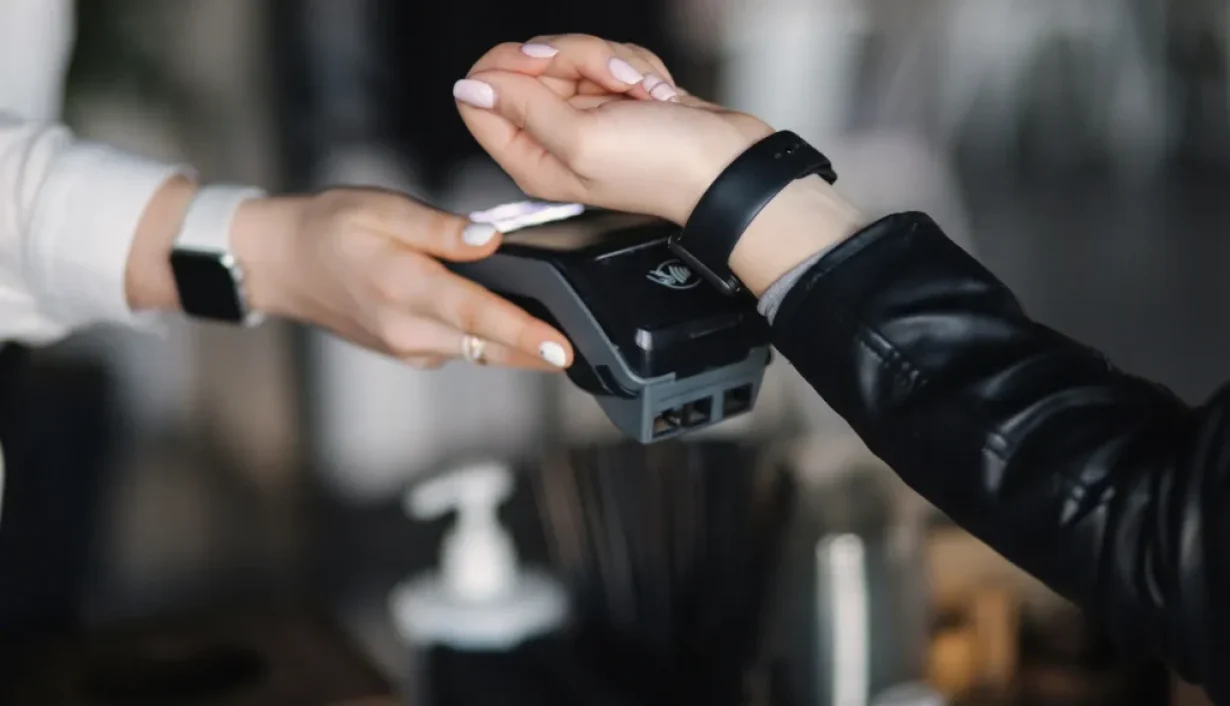
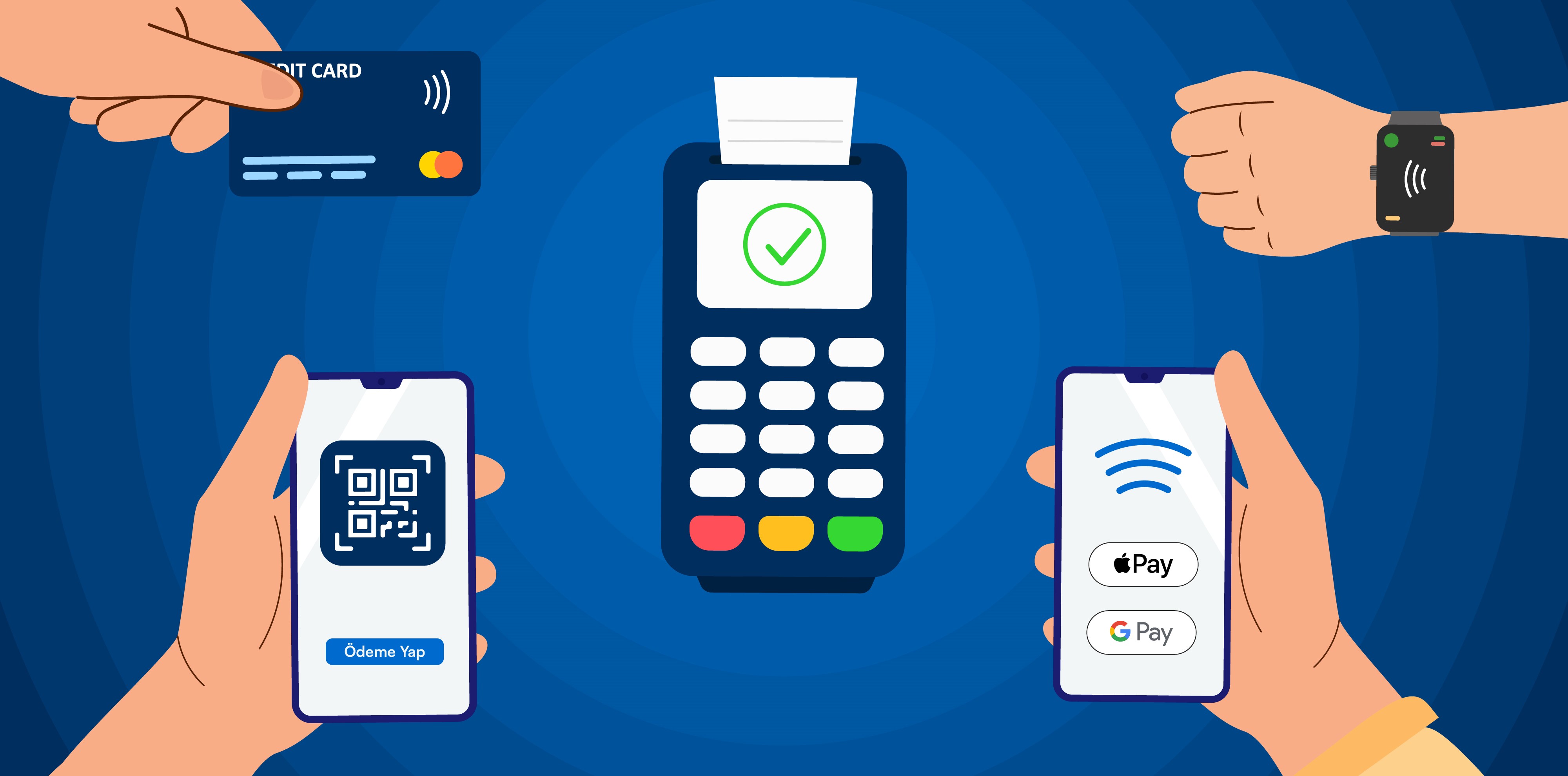
RFID payment uses radio frequency identification technology. Users simply need an RFID wristband, RFID key fob, or RFID plastic card and hold it near the reader at a point-of-sale terminal to complete a payment quickly and conveniently. Contactless payments are made at close physical range, unlike other types of mobile payments that use wide-area mobile networks or Wi-Fi and do not require close physical proximity.
RFID Contactless Payment Solution
In practice, many users wonder whether contactless payment via RFID is the same as NFC payment. RFID is a technology that identifies objects using radio waves, offering greater convenience and security than magnetic stripe cards by using encrypted data and authentication measures to help prevent fraud. NFC, meanwhile, is a short-range communication technology that operates within the high-frequency (HF) segment of the RFID spectrum.
RFID checkout station: including a POS display, order creation software, RFID card reader, thermal receipt printer, network data synchronization device, and more
RFID payment management software: user management, card lifecycle management, point-of-sale management, product catalog management, pricing management, refund request management, and more
How RFID Contactless Payment Works
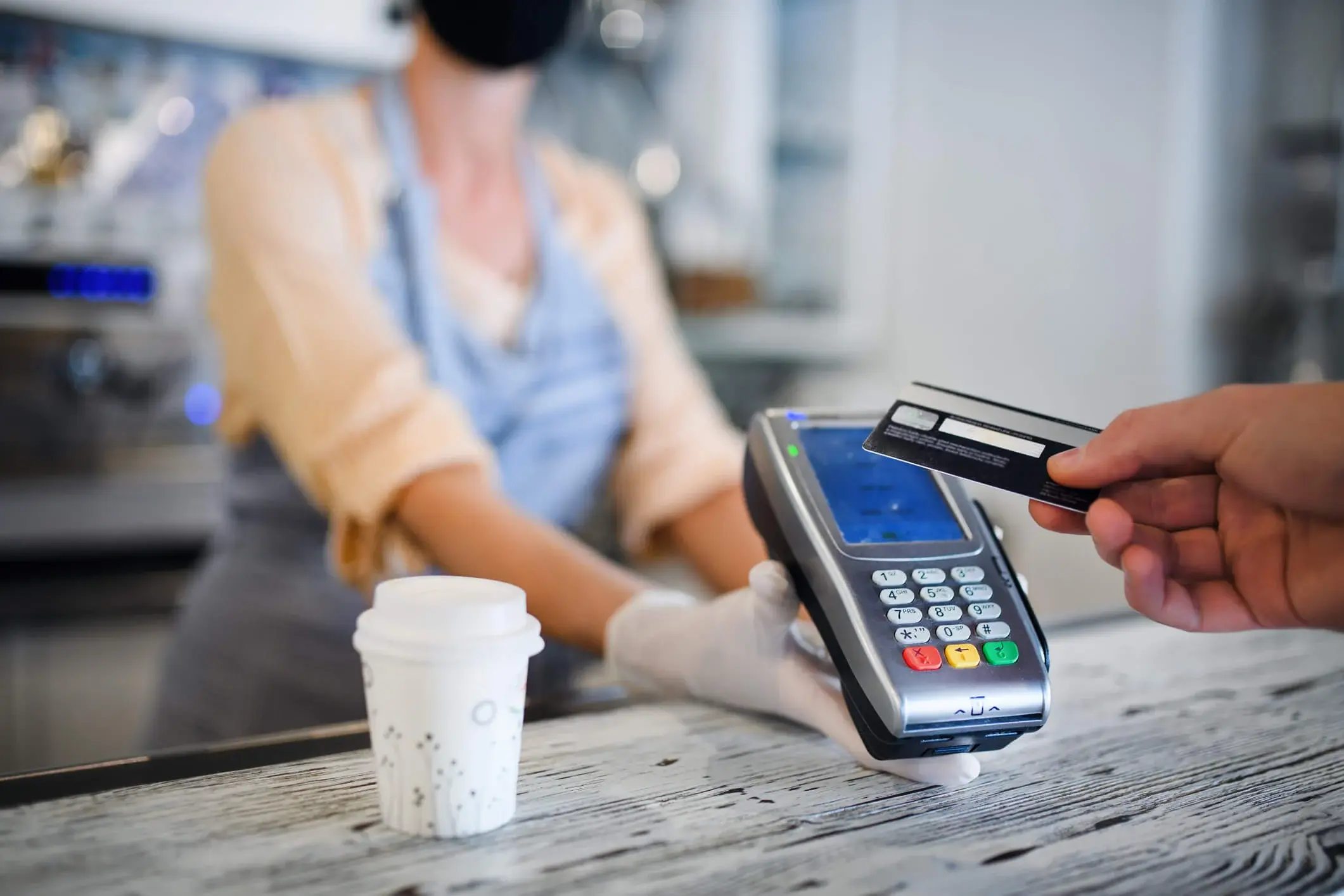
RFID cards are used in contactless payment systems by allowing users to complete a transaction simply by holding the card near an RFID reader. When the card is scanned, the information is transmitted via radio waves, enabling the transaction to be completed quickly without swiping the card or entering a PIN.
Convenient RFID Contactless Payment
With the advancement of wireless technology and smart devices, consumers can link their credit cards to smartphones and make payments through contactless systems. Contactless payment limits vary depending on the country, payment network, card issuer, and merchant. Transactions that exceed the verification limit may require cardholder authentication, such as a PIN or biometric verification, depending on the payment method and local regulations.
User ==> RFID Card ==> RFID Reader ==> Authentication Software ==> Closed-Loop Wallet ==> Transaction Confirmation ==> Reporting
Benefits of RFID Contactless Payment
Applying RFID technology to contactless payments delivers a wide range of significant benefits, including:
Faster transactions, shorter queues, and no need for cash. This is one of the key advantages of RFID technology that users highly value today.
Reduced cash losses caused by fraud or errors in manual counting.
Real-time revenue management by counter and vendor, identification of best-selling products, RFID inventory management, and more.
RFID also helps analyze customer traffic during peak hours, calculate average customer spending, and assess employee and vendor performance.
With just one RFID card or RFID wristband, customers can check in through security gates, pay for products, earn membership points, and participate in promotional and loyalty programs.
Contactless payment with RFID cards improves the customer experience, thereby strengthening a business’s competitive advantage.
NFC Contactless Payment Card
Applications of RFID Card Contactless Payment
Common applications of RFID contactless payment include:
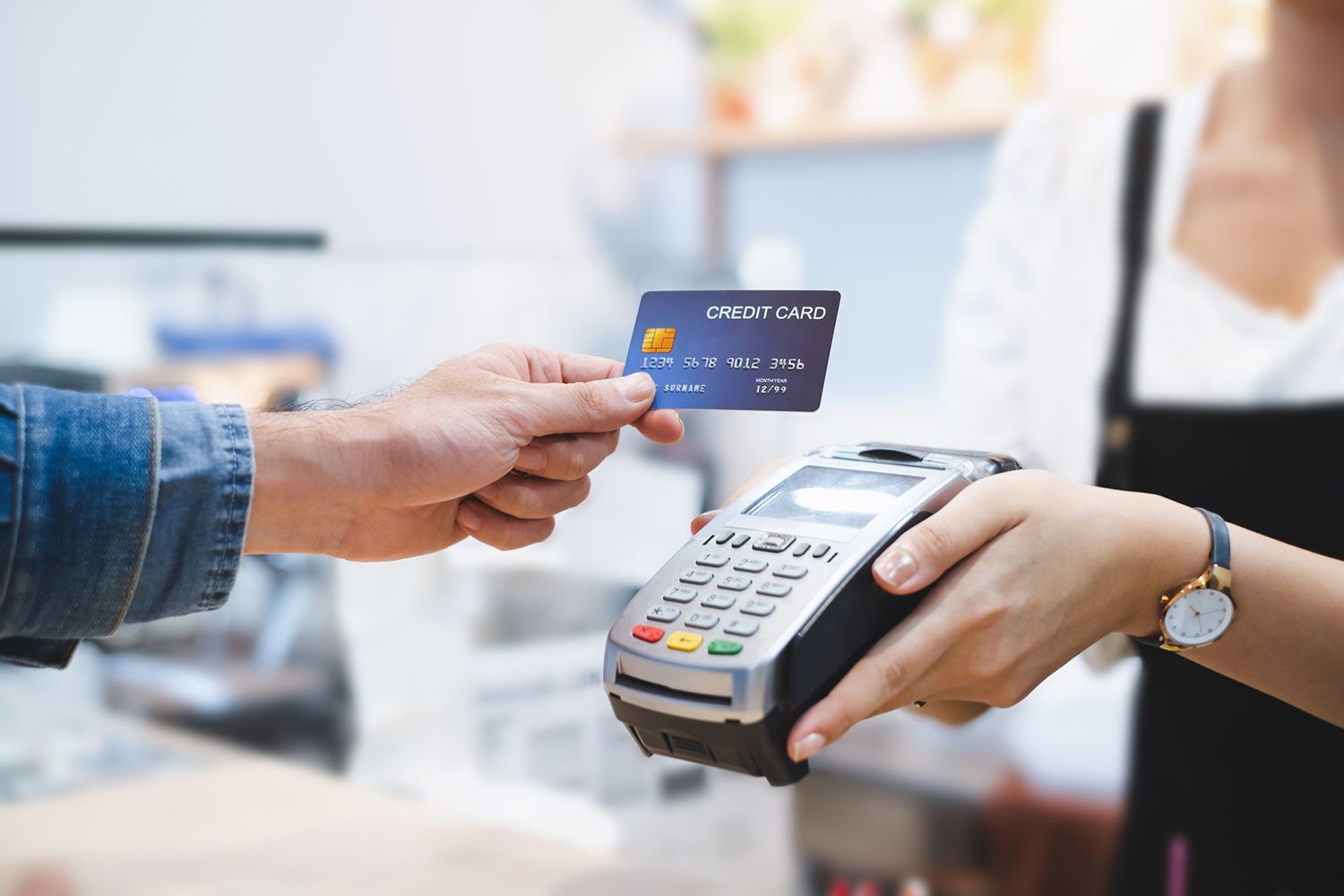
RFID-enabled bank cards, such as credit and debit cards, which allow users to make simple payments at points of sale.
RFID contactless payment at amusement parks and water parks, fully replacing traditional admission tickets while supporting payments for meals, beverages, equipment rentals, and more.
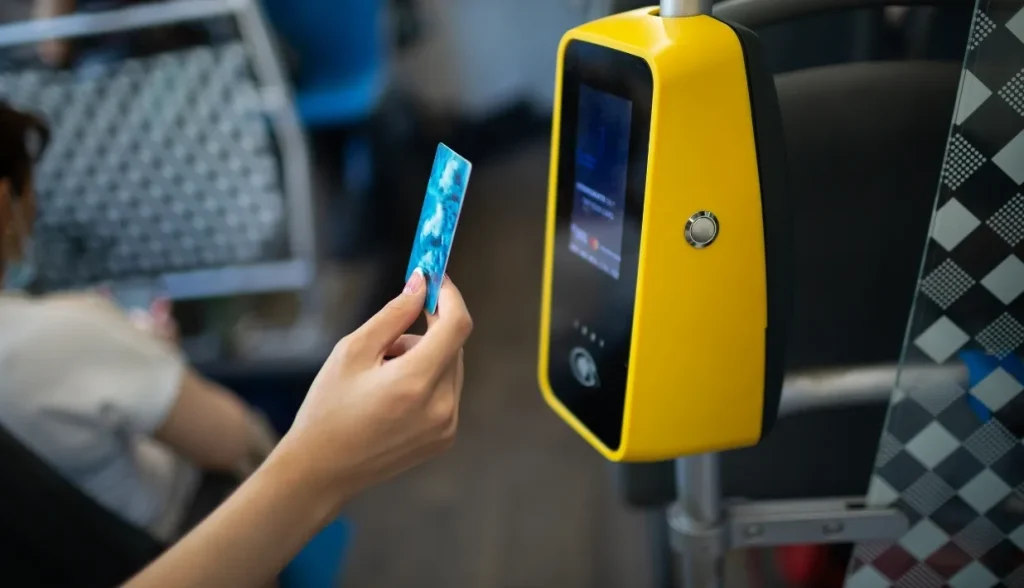
RFID bus cards for public transportation systems, enabling passengers to pay quickly when boarding without purchasing a separate ticket.
RFID contactless payment at high-end hotels and resorts, where the total cost of services is automatically charged to the guest’s room account for a single payment at check-out.
RFID contactless payment in schools for purchasing documents and learning supplies at libraries and bookstores, recording student attendance, and managing gate security.
RFID contactless payment cards for gyms, spas, clubs, and more.
IT Nam Việt – A Trusted Provider of RFID Contactless Payment Technology in Vietnam
IT Nam Việt is proud to be one of Vietnam’s trusted providers of specialized RFID contactless payment solutions and a strategic partner to hundreds of businesses nationwide.
We deliver end-to-end RFID solutions, from consultation and site surveys to system design, installation, and long-term support throughout the life of each business project. Our engineers are highly qualified, dedicated, and approachable, and are ready to support customers 24/7.
IT Nam Việt supplies a wide range of genuine RFID devices from globally recognized brands such as Chainway, TSL, and Zebra. At IT Nam Việt, customers can select suitable RFID equipment, RFID cards, RFID readers, RFID printers, and more. In particular, we also deploy advanced RFID management software that significantly optimizes the user experience.
IT Nam Việt’s RFID solutions can be flexibly adapted to meet a wide range of requirements, whether for short-term events, trade shows, resort systems, large-scale amusement parks, or multi-branch business chains. At IT Nam Việt, RFID implementation costs are structured reasonably to meet functional requirements while remaining aligned with each customer’s budget.
IT Nam Việt’s working process:
Receive and assess the customer’s requirements.
Conduct an on-site survey.
Develop a solution, provide consultation, and sign the contract.
Demonstrate the product.
Carry out large-scale deployment.
Operate, inspect, hand over, and provide warranty services in accordance with applicable requirements.
Yes. RFID is considered a highly secure and reliable technology that gives users greater peace of mind. You can learn more in this article: Are RFID Cards Secure? Expert Answers
RFID frequencies are divided into three main types: low frequency, high frequency, and ultra-high frequency. High-frequency RFID at 13.56 MHz is suitable for deliberate “tap” interactions and is commonly selected for membership cards, event wristbands, closed-loop payments, and more.
In practice, RFID cards can still be copied in certain cases. However, using RFID cards with complex data encryption and mutual authentication makes RFID card cloning significantly more difficult.
Businesses with five or more points of sale and a high volume of customers who require fast transactions should consider investing in an RFID system to optimize cash flow.
On average, implementation takes between two and six weeks, depending on the size of the project, the complexity of API integration with existing software, and the internal staff training process.
RFID contactless payment is regarded as a platform that enables businesses to combine customer identification, ultra-fast payments, security control, and valuable behavioral data analytics. In today’s digital era, do not let an outdated payment system hold back your business’s growth. Let IT Nam Việt accompany you on your digital transformation journey!
My name is Le Nam Viet, currently FOUNDER & CEO of Nam Viet IT Company, I graduated from Ho Chi Minh Polytechnic University. I have more than 3 years of experience providing RFID chip technology solutions, RFID scanners, barcode labels and barcode readers. It’s a pleasure to share my knowledge with readers.




 Tiếng Việt