
 Tiếng Việt

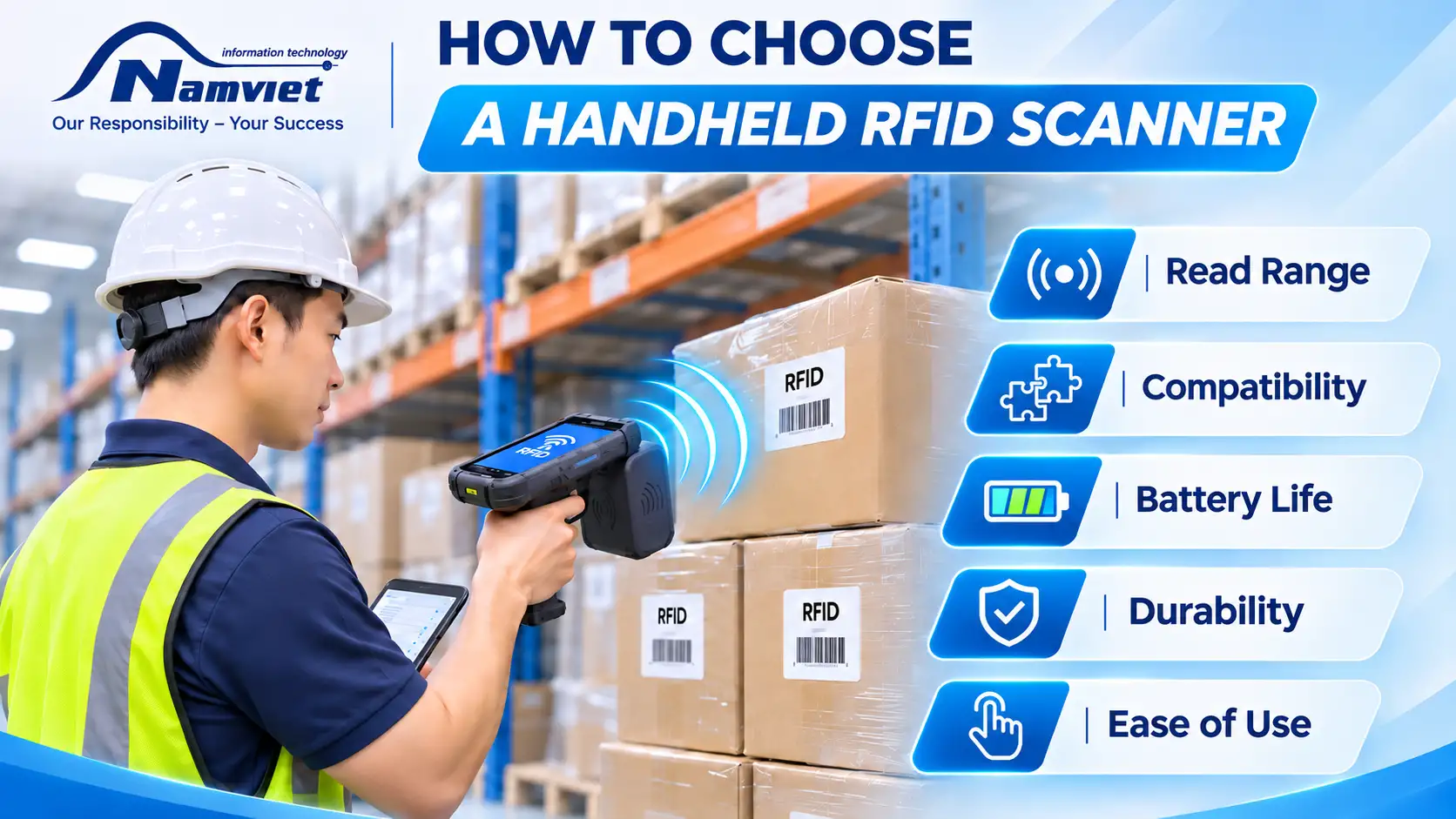
How to choose a handheld RFID scanner starts with the type of tags, the tasks to be completed, and the software already in use. A suitable RFID scanner must be able to read the actual items, be convenient for staff to operate, and send accurate data back to the management system. In this article, IT Nam Việt explains the key criteria businesses should consider when choosing a handheld RFID scanner.
How to Choose the Right Handheld RFID Scanner
Before choosing a handheld RFID scanner, you need to determine what the device will be used for, which items it must scan, and what results you expect to obtain. Why does this matter? Even with the same type of handheld RFID reader, the requirements for inventory counting against a list are different from those for locating a particular asset in a storage area.
Choose a handheld RFID scanner based on frequency and tag type
Before purchasing a handheld RFID scanner, businesses should identify the RFID frequency and protocols of the tags they currently use or plan to purchase. For passive UHF RFID, businesses should check supported standards such as EPC Gen2 and ISO/IEC 18000-63 in the device documentation, while also verifying that the frequency version is suitable for the market where the device will be used.
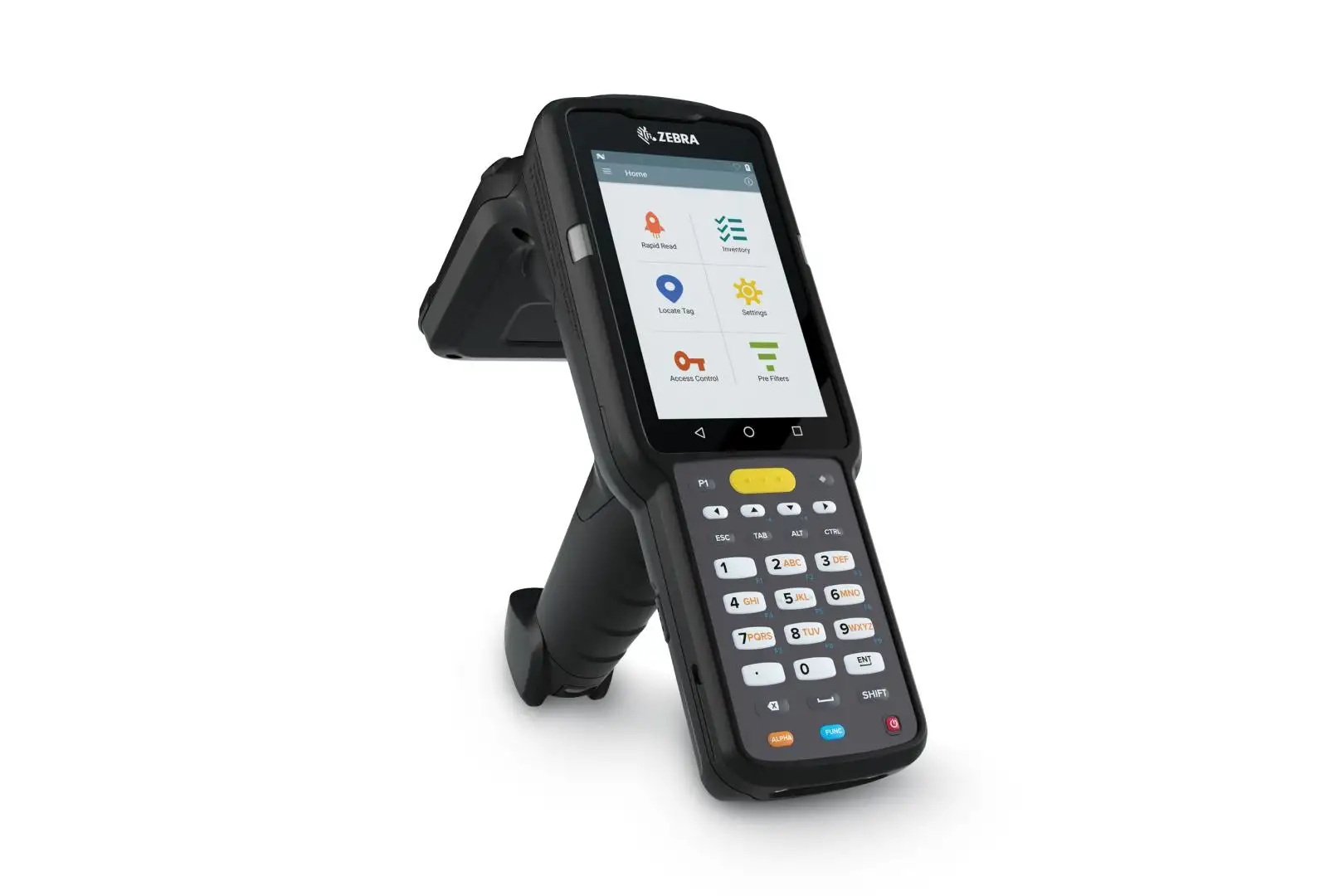
Businesses should note that NFC reading capability does not necessarily mean a device can read every type of UHF tag. Therefore, selecting suitable RFID tags must also be considered alongside the RFID reader system.
See also: Criteria for Choosing RFID Tags That Businesses Should Know
RFID tag reading range
The reading range of RFID tags is one of the key factors to consider when choosing a handheld RFID reader. Different applications have different reading-distance requirements. For example, warehouse management may require a longer reading range, while inventory management in retail stores may only need a shorter range. Therefore, understanding and comparing the maximum reading ranges of different RFID readers is essential for choosing a device that meets your business needs.
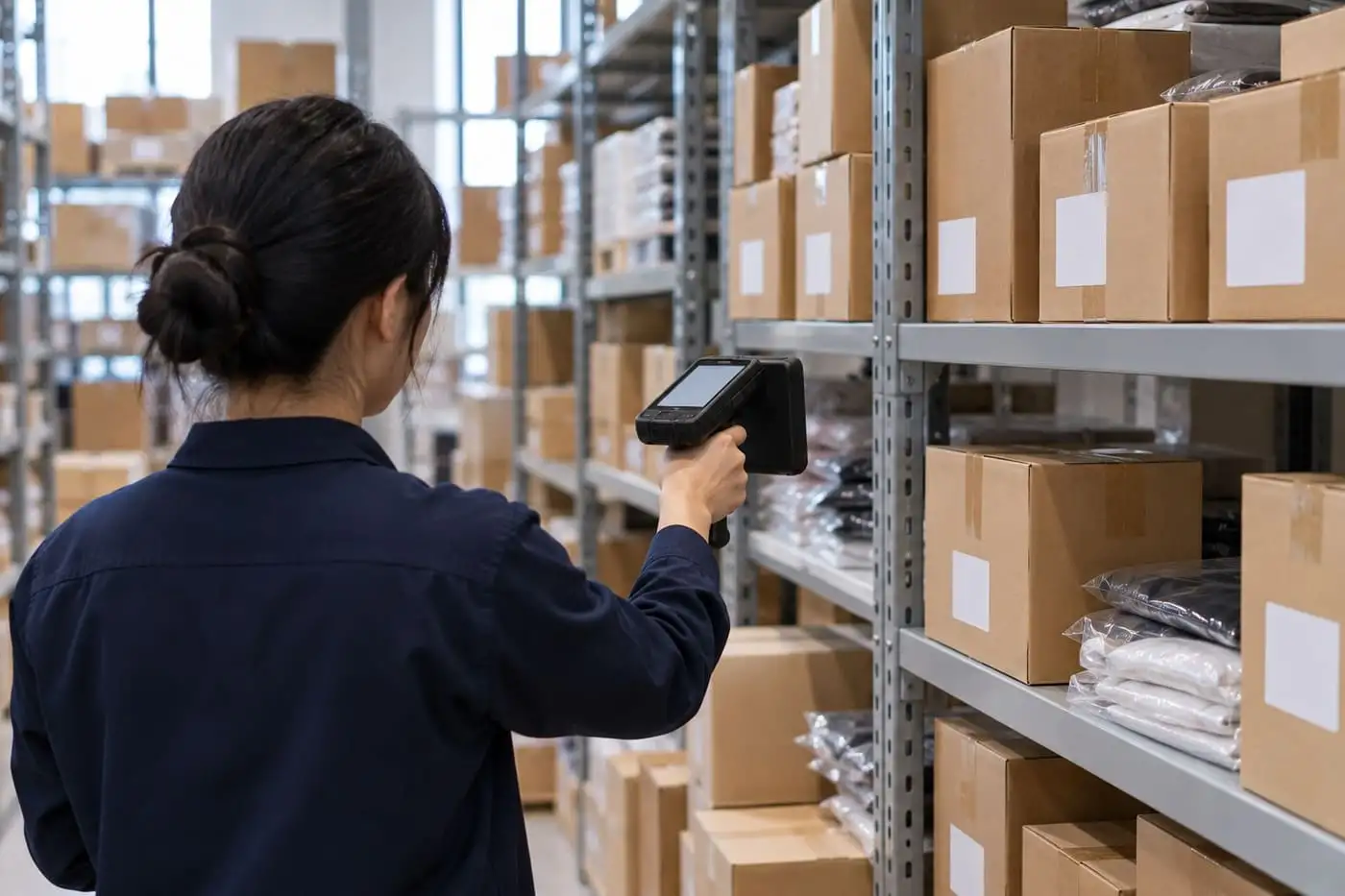
Tag reading distance is an important factor to consider when choosing a handheld RFID reader. Different applications have different reading-range requirements. For example, warehouse management may require a longer reading range, whereas inventory management in a retail store may only require a short reading distance. As a result, understanding and comparing the maximum reading ranges of different reader models is essential to selecting a device that suits your needs.
Furthermore, reading range should be assessed based on the operator’s scanning position, shelf height, and how products are stacked or displayed. Users should also test items inside cartons, closely packed products, and tags mounted in less favorable orientations. Do not forget to check the other factors affecting RFID tag reading range when selecting a reader.
Read more in this article: Top 10 Factors Affecting RFID Tag Reading Range and How to Optimize It Technically
All-in-one handheld devices vs. host-connected readers
In practice, businesses can consider two types of handheld RFID readers:
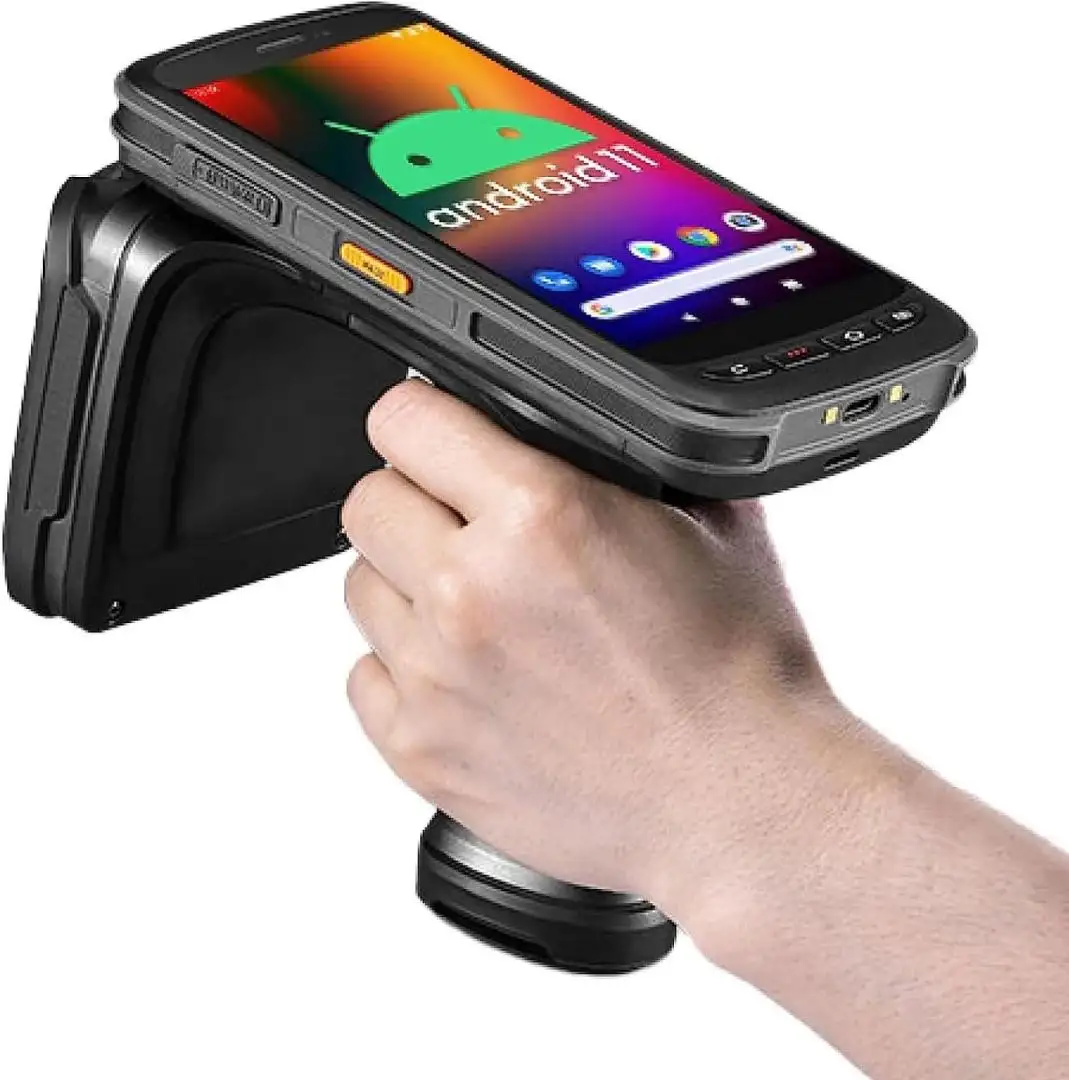
- All-in-one devices with a screen and a platform for running applications directly on the device.
- Readers connected to a host device, using a smartphone or mobile computer to display information and process tasks, depending on the configuration.
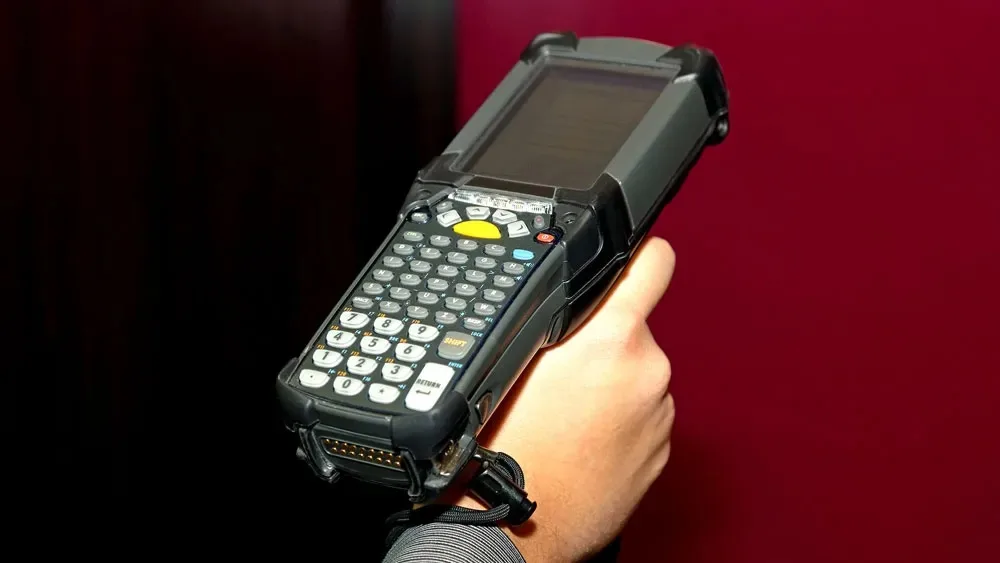
If your business wants to use existing smartphones, test the specific phone models, operating systems, and applications you intend to use. With all-in-one devices, test the screen, keyboard, and physical buttons in real working conditions.
Durability and quality of handheld RFID scanners
In industrial environments such as warehouses and production lines, the durability and build quality of handheld RFID readers deserve particular attention. Water resistance, dust resistance, and drop protection can help devices operate reliably under demanding conditions. When selecting a device, check its IP rating (for dust and water protection) and impact-test reports to evaluate its durability.
Task completion efficiency and item-finding functionality
During inventory counts, measure the number of unique target IDs captured and the time required to complete the entire task. This time includes walking between locations, additional scans, reviewing missing-item lists, and resolving discrepancies. Repeated reads of the same tag must be distinguished from the actual number of items. If locating items is a frequent task, ask the supplier to demonstrate selecting a target ID and the feedback provided as the reader approaches the tag.
Battery capacity and design
Battery life is another important consideration when choosing a handheld RFID scanner. It directly affects the device’s efficiency and operating costs. For extended operations, businesses should prioritize devices with high-capacity batteries and fast-charging support. In addition, intelligent battery management systems and power-saving modes can help extend battery life.
Businesses should also prioritize handheld RFID scanners with ergonomic designs that improve user comfort and reduce operator fatigue. Handheld readers with integrated touchscreens and operating systems can make operation more intuitive and convenient. Pistol-grip designs can provide better comfort and ease of use during long working shifts.
Software compatibility
Software compatibility is essential to ensure that handheld RFID readers integrate smoothly with existing systems. Readers that support common operating systems (such as Windows and Android) and enterprise management software (such as ERP and WMS platforms) can help reduce integration costs and improve overall system efficiency.
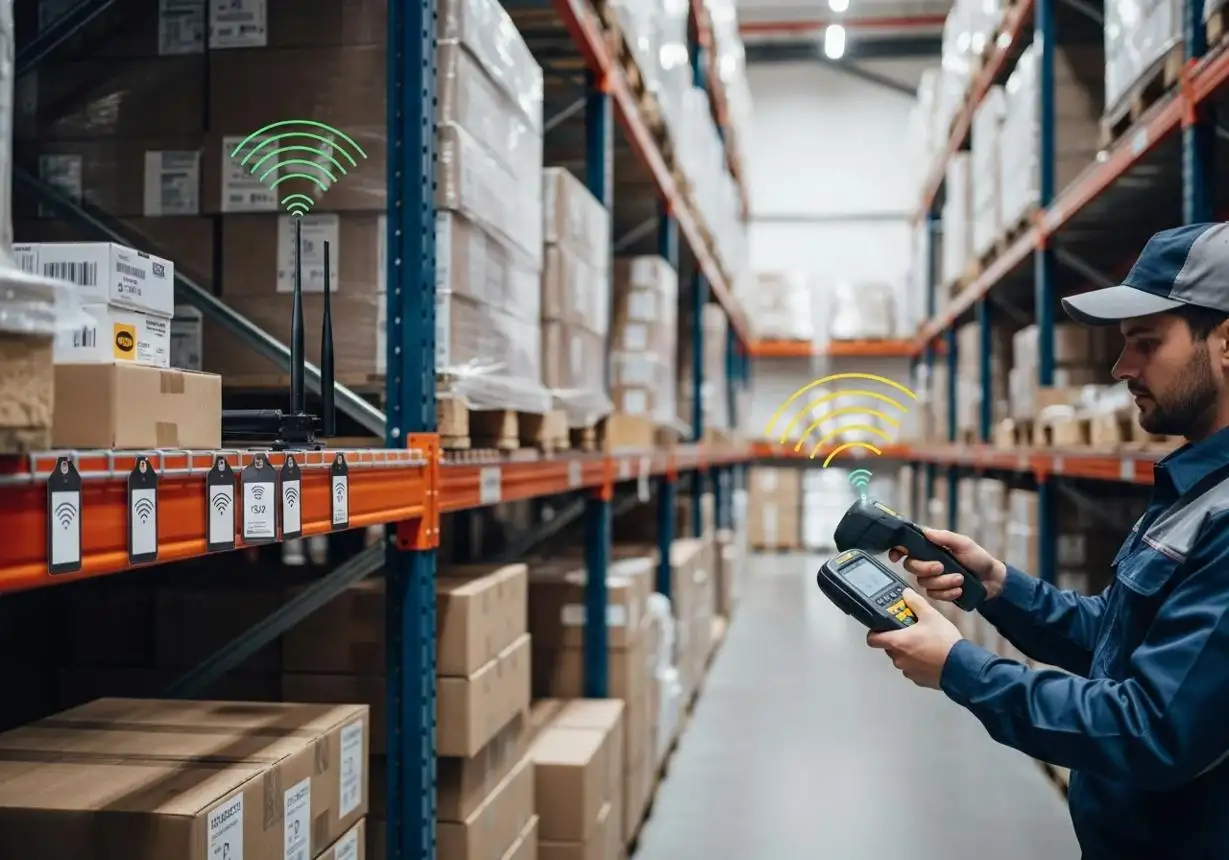
In addition, businesses should consider handheld RFID readers that support multiple communication interfaces, allowing greater flexibility across network environments and improving the convenience and reliability of data transmission. If writing data to RFID tags is required, businesses should test the writing process and verify the data in the application before making a decision.
IT Nam Việt – A Trusted Supplier of Handheld RFID Scanners
IT Nam Viet is proud to be a specialist RFID solutions provider in Vietnam and a strategic partner to hundreds of businesses nationwide. We distribute a wide range of RFID equipment, including fixed RFID readers, handheld RFID scanners, RFID tags, RFID labels, RFID printers, and management software. We also provide site surveys, consulting, and product demonstrations tailored to customer needs.
At IT Nam Viet, we say NO to low-quality products and provide professional advice and competitive quotations to ensure customer satisfaction. To receive specific recommendations, please prepare details about your existing tag types, photos of your goods or assets, inventory areas, and current software. Share this information with us so we can recommend suitable configurations, accessories, and deployment scope.
Explore the range of handheld RFID scanners available from IT Nam Viet:
Handheld RFID Scanner Handheld RFID Scanner Handheld RFID Scanner Chainway RFID Device Handheld RFID Scanner Handheld RFID Scanner Chainway RFID Device Handheld RFID Scanner Handheld RFID Scanner Barcode Scanners Handheld RFID Scanner Chainway RFID Device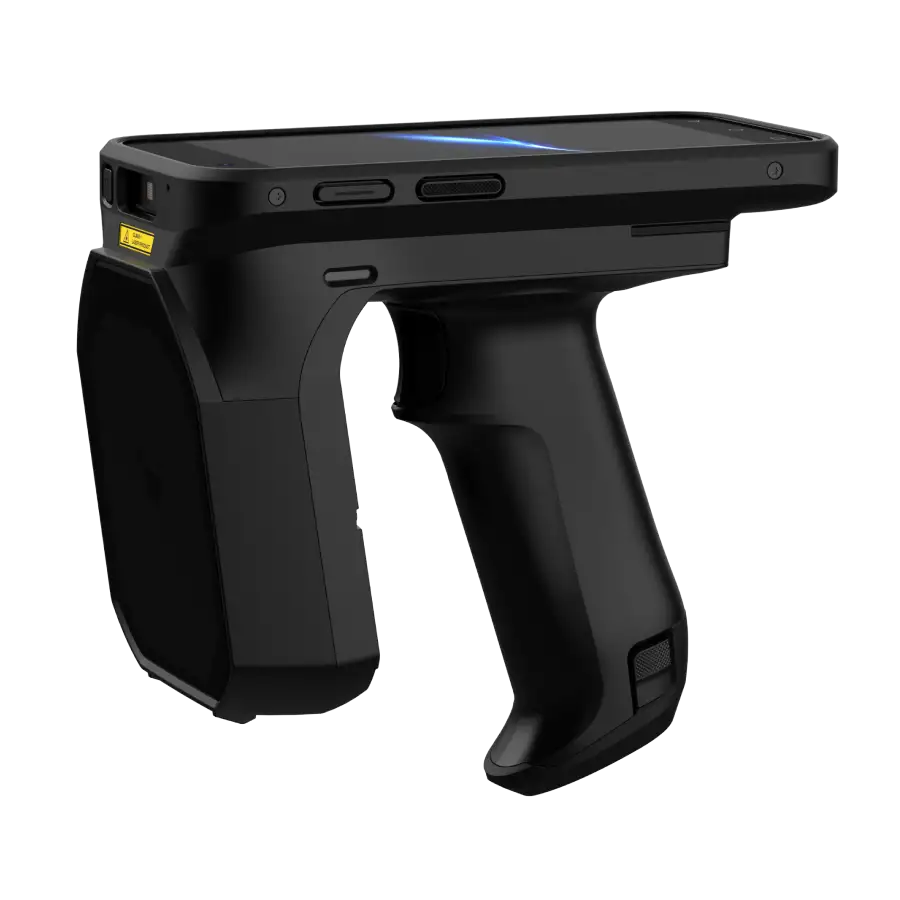
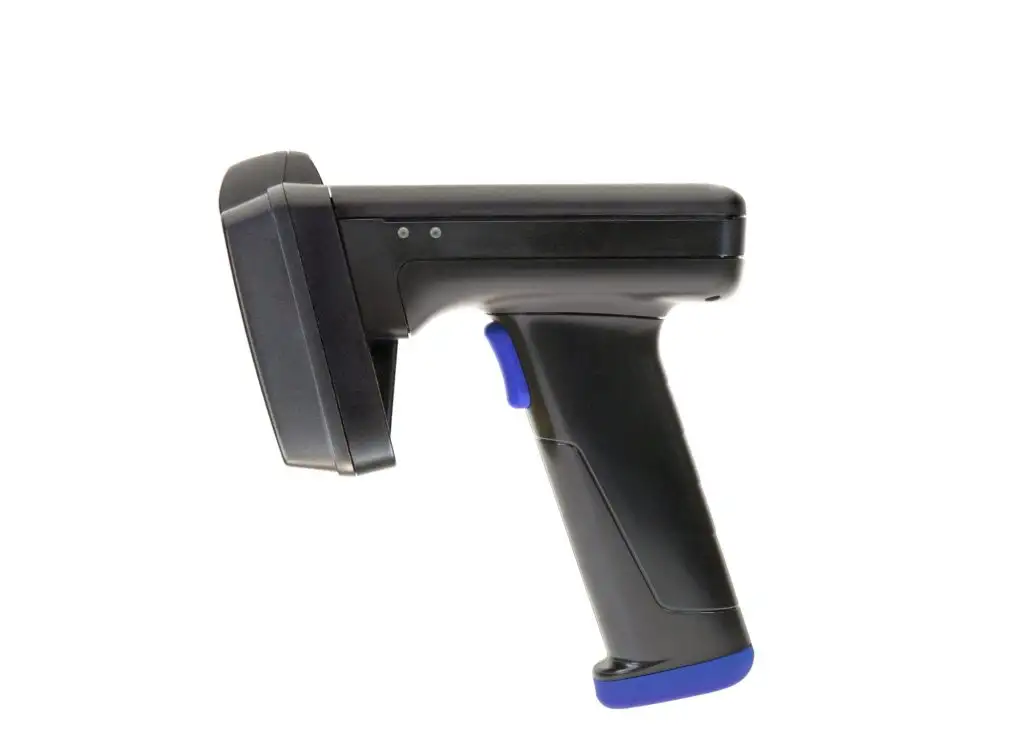


This guide has outlined how to choose a handheld RFID scanner based on your tasks, device configuration, and actual operating conditions. If you need advice on equipment, software integration, or arranging a demonstration before investing, please contact IT Nam Việt!
For more information, please contact:
IT NAM VIỆT TRADING AND SERVICES COMPANY LIMITED
- Hotline: (+84) 962.888.179
- Phone: (028) 3535 5877
- Email: info@chiprfid.vn
- Showroom: 88 Street No. 15, Van Phuc Urban Area, Hiep Binh Ward, Ho Chi Minh City, Vietnam
- Cambodia Branch: No. 6 Street 24BT, Thnaot Chrum, Boeung Tumpun 2, Khan Mean Chey, Phnom Penh

My name is Le Nam Viet, currently FOUNDER & CEO of Nam Viet IT Company, I graduated from Ho Chi Minh Polytechnic University. I have more than 8 years of experience providing RFID chip technology solutions, RFID scanners, barcode labels and barcode readers. It’s a pleasure to share my knowledge with readers.